
A rib cage tattoo is a tattoo placed along the side of the torso, following the curve of the rib bones from under the arm down toward the waist. This area is often chosen for its large, flat surface, which allows for detailed and artistic designs like quotes, floral patterns, animals, or abstract art. But while rib cage tattoos are undeniably beautiful, they are also well-known for being one of the most painful tattoo placements. The skin in this area is thin and sits directly over the ribs, leaving very little muscle or fat to cushion the tattoo needle. As a result, most people describe the sensation as sharp, burning, or vibrational pain that feels much stronger than tattoos on fleshier areas. Even experienced tattoo collectors often find rib cage tattoos challenging to sit through. For comparison, rib cage tattoos are often grouped with other painful areas like the spine or back. If you’re curious about back tattoo pain specifically, this article on Do Back Tattoos Hurt? gives helpful insights.
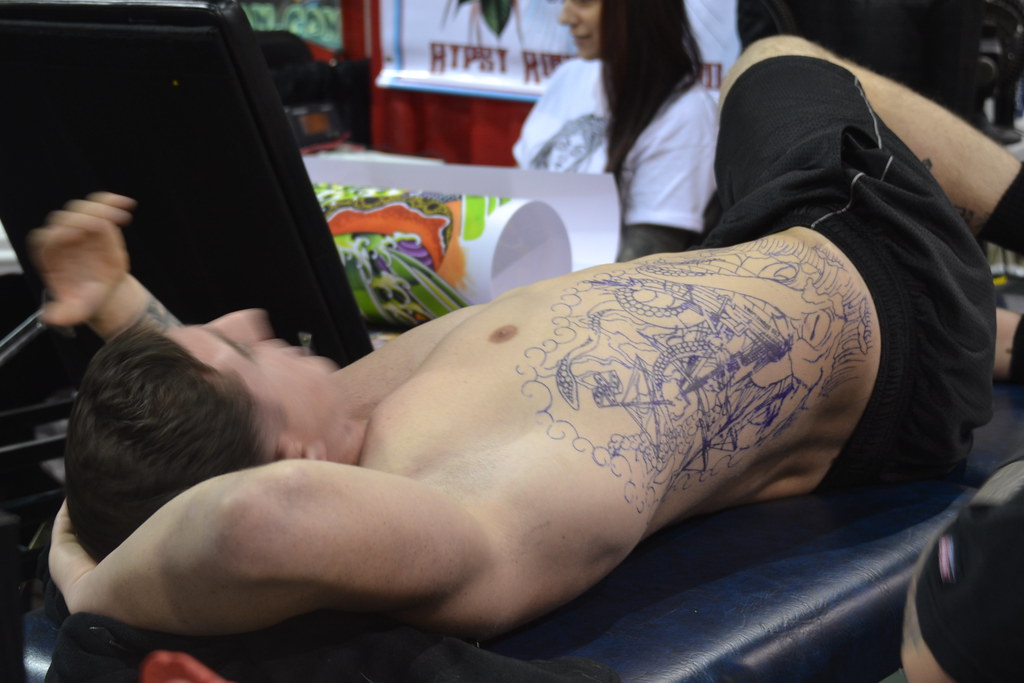
When it comes to painful tattoo placements, the rib cage consistently ranks near the top—and for good reason. The discomfort isn’t just subjective; it’s based on the unique anatomy of the area, the density of nerves, and the lack of natural cushioning. Understanding these factors helps explain why this spot challenges even the most seasoned tattoo collectors.
One of the primary reasons rib cage tattoos are so painful is the minimal protective padding between the skin and bone. Unlike areas such as the upper arm or thigh, which have ample fat and muscle to absorb the tattoo needle’s vibrations, the ribs have thin, tight skin stretched directly over hard bones. Each needle puncture in this area sends sensations deeper, resulting in a sharp, sometimes vibrating pain that feels far more intense than tattoos on fleshier parts of the body.
Adding to this discomfort is the natural movement of the ribs as they expand and contract with every breath. This constant motion can make it difficult for both the tattoo artist and client to maintain a steady rhythm, often increasing the overall pain. Clients commonly describe the sensation as “a knife scratching bone” or “sharp, burning vibrations.”
Key reasons why rib cage tattoos hurt so much:
The rib cage is rich in sensitive nerve endings, particularly around the sides and under the arms. These nerves play a vital role in the body’s sensitivity to touch and pressure. When repeatedly stimulated by the tattoo needle’s rapid punctures, the nerves amplify the sensation, making the experience more painful.
For some individuals, even light touches or brushes along the ribs can cause tickling or sensitive feelings. This heightened sensitivity explains why ribs are grouped with other notoriously painful tattoo spots, such as the sternum, inner thighs, and spine.
Nerve-related factors increasing pain include:
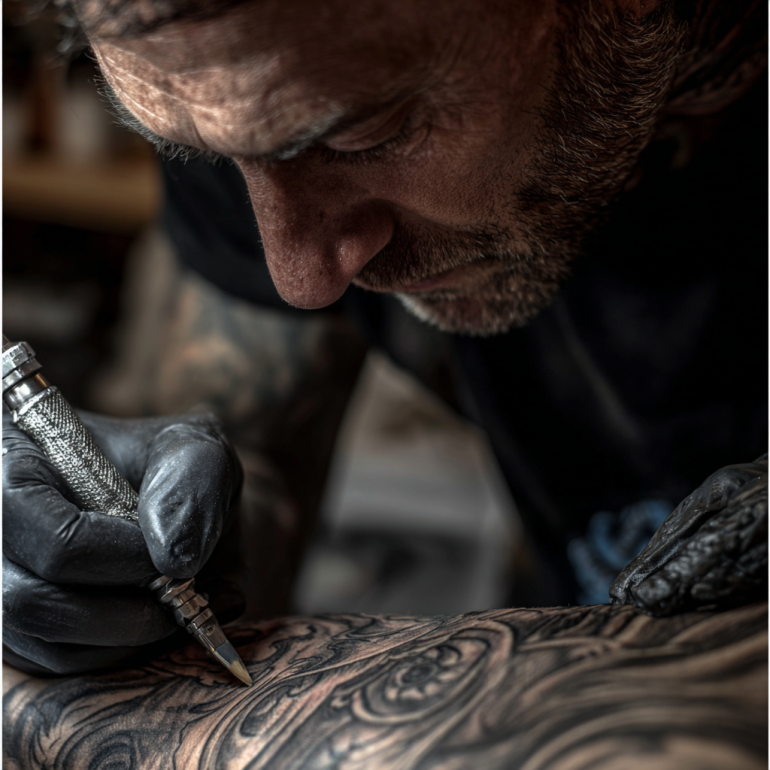
In comparison to the ribs, other body parts with thicker skin, muscle, or fat layers—like the upper arm, outer thigh, calves, or forearms—tend to be much less painful during tattooing. These areas cushion the impact of the needle, dulling the sharpness of each puncture.
On the other hand, tattooing over bones, joints, and thin-skinned areas such as the ribs, spine, knees, and ankles often causes a sharp, burning, or vibrational pain. Many people describe feeling the buzzing of the tattoo machine radiate through the bone itself, which can be quite intense.
| Area Type | Pain Level | Reason |
|---|---|---|
| Thick skin & muscle | Lower pain | Natural cushioning |
| Thin skin & bone | Higher pain | Needle vibrates on bone |
| High nerve density spots | Intense pain | Sensitive nerve stimulation |
Tattoo artists widely agree that rib cage tattoos are among the most challenging for clients to endure. Many recommend that beginners start with a less painful placement unless they are mentally and emotionally prepared for a more intense experience.
Clients’ feedback generally aligns with this view. The pain is often described as sharp and sometimes so intense that it causes involuntary breath-holding, which can make the process even more difficult. Some report a burning sensation during the session, while others experience a dull ache that lingers for hours afterward. Those with leaner builds typically report higher pain levels, though the ribs are challenging for almost everyone.
Despite the pain, many say the experience is worth it. Rib Cage tattoos often heal beautifully and create stunning, personal pieces of art that remain hidden unless intentionally shown. While the pain can be intense, it is temporary and lasts only as long as the tattoo session.
For those preparing for their first tattoo or seeking to understand pain levels across different body parts better, this guide explains how to prepare for your first tattoo and offers helpful tips and advice.
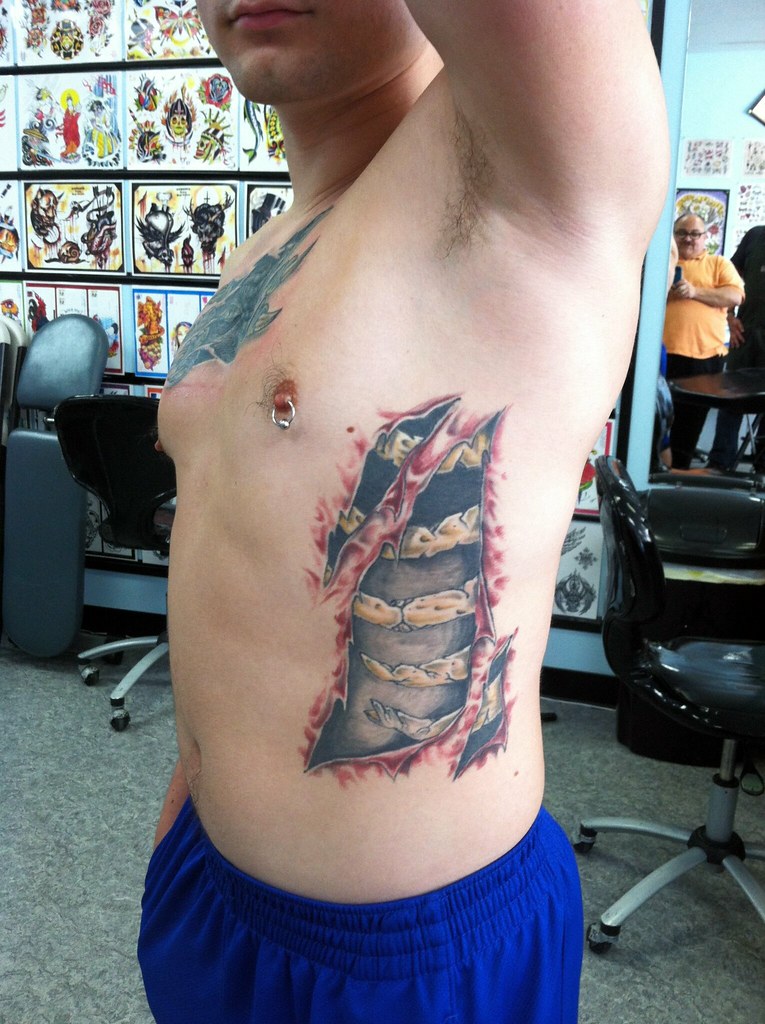
Rib cage tattoos are famously painful, but the experience varies widely from person to person. Several factors influence how much pain you might feel during your tattoo session. Understanding these can help you prepare better and manage your expectations. Here, we break down the key elements that affect rib cage tattoo pain.
One of the most significant factors influencing how painful a rib tattoo feels is your personal pain tolerance. Everyone’s body reacts differently to pain stimuli based on genetics, past experiences, and even mood. Some people have a naturally higher threshold and can endure the sharp, vibrating sensations of a rib tattoo with less discomfort. Others may find even brief sessions overwhelming.
Your pain tolerance can also be affected by fatigue, hydration levels, and overall health on the day of your tattoo. Being well-rested and hydrated may help reduce pain perception during the session.
The size and complexity of your tattoo design play a major role in the pain you’ll experience. Larger tattoos require longer sessions, meaning you’ll endure pain for an extended period. Similarly, intricate designs with lots of shading, fine lines, and color fills tend to be more painful because the tattoo machine has to work over the same area multiple times.
Smaller, simpler tattoos usually mean shorter sessions with less repetitive needlework, which often translates to less cumulative pain.
The longer your tattoo session lasts, the more likely you are to feel increased discomfort. Pain tends to build up over time as your skin becomes more sensitive and inflamed. Extended periods under the needle can also cause fatigue and mental strain, making it harder to stay relaxed.
Tattoo artists sometimes split large or detailed rib cage tattoos into multiple shorter sessions to help manage pain and improve healing.
An experienced tattoo artist with a gentle and skilled technique can make a huge difference in how painful your rib cage tattoo feels. Techniques such as consistent needle depth, smooth hand movements, and controlled machine speed can reduce unnecessary trauma to your skin.
On the other hand, a less experienced artist may apply uneven pressure or go too deep, causing extra pain. Choosing a reputable artist who understands the sensitivity of the rib area is crucial.
Certain medical conditions can affect how you experience tattoo pain. For example, people with conditions that affect nerve sensitivity, such as neuropathy, may have altered pain perception—sometimes feeling less pain, but other times more intense sensations.
Skin conditions, circulatory issues, or autoimmune disorders might also influence your pain experience and healing process. Always consult with a healthcare professional if you have pre-existing conditions before getting a rib cage tattoo.
Your mental state before and during the tattoo session greatly impacts your pain experience. Anxiety and stress can heighten pain sensitivity by triggering your body’s “fight or flight” response, releasing adrenaline and increasing muscle tension.
Conversely, being mentally prepared, calm, and focused can help reduce pain perception. Techniques such as deep breathing, meditation, or listening to music during your session can help manage anxiety and improve your overall experience.
When considering a tattoo, understanding how painful different body parts are can help you choose the best placement, especially if you’re worried about pain. The rib cage is often cited as one of the most painful tattoo areas, but how does it compare to other parts of the body? Let’s break it down with a tattoo pain chart and detailed comparisons.
| Body Part | Pain Level (1-10) | Notes |
|---|---|---|
| Forearms | 3-4 | Thicker skin, muscle padding, less nerve density |
| Upper Arms | 3-4 | Similar to forearms, good natural cushioning |
| Thighs | 3-5 | Fatty tissue cushions needle impact |
| Feet | 8-9 | Thin skin, many nerve endings, near bone |
| Knees | 8-9 | Thin skin over bone, joint movement |
| Armpits | 9-10 | Extremely sensitive nerve clusters |
| Spine | 8-10 | Thin skin over vertebrae, high nerve density |
| Rib Cage | 9-10 | Thin skin, bone close, high nerve density, constant breathing movement |
The rib cage consistently ranks at the top of the pain scale, scoring between 9 and 10 out of 10 in terms of discomfort. This high rating is due to several factors:
Clients often describe rib cage tattoo pain as sharp, burning, or vibrating—sometimes even likened to a “knife scratching bone.”
Other parts of the body that are known for high tattoo pain levels include:
All these areas, like the ribs, involve thin skin close to bone or nerve clusters, which increases pain levels significantly.
In contrast, areas with more padding and less nerve density tend to be less painful:
These areas are often recommended for first-timers or those who want a less painful experience.
Getting a rib cage tattoo is an exciting but often challenging experience due to the area’s sensitivity and associated pain. Proper preparation—both physical and mental—can make a significant difference in how comfortable and successful your session is. Here’s a comprehensive guide to help you get ready for your rib cage tattoo.
Rest: Getting a good night’s sleep before your appointment is essential. Being well-rested helps your body cope with pain and stress better during the tattoo session.
Hydration: Drink plenty of water in the days leading up to your tattoo. Hydrated skin tends to be more elastic and resilient, making the tattooing process smoother and less painful. Avoid alcohol and excessive caffeine, as they can dehydrate you and thin your blood, increasing bleeding.
Eating Beforehand: Make sure to eat a balanced meal before your session. Low blood sugar can cause dizziness or fainting during a painful tattoo session. A nutritious meal will keep your energy levels steady and help you endure the discomfort.
Tackling the mental aspect of pain is just as important as physical readiness.
Meditation and Relaxation: Practicing meditation or mindfulness exercises before your appointment can help calm your nerves and reduce anxiety. Even a few minutes of deep breathing can lower your heart rate and relax your muscles.
Breathing Techniques: Controlled breathing during the tattoo process can help manage pain and keep you calm. Try slow, deep breaths or rhythmic breathing patterns to distract from discomfort and maintain focus.
Choosing the right clothing for your session can improve your comfort significantly. Opt for loose, breathable clothes that provide easy access to your rib cage area without irritating. Avoid tight or restrictive outfits that might make it difficult to expose the tattoo site or cause discomfort during or after the session.

Using a numbing cream during a rib cage tattoo session can be incredibly helpful because this area is one of the most painful spots to get tattooed. The skin over the ribs is thin, with little fat or muscle underneath, making it especially sensitive. A good numbing cream helps take the edge off the pain, making the experience more tolerable, especially during longer sessions or when the artist is working on fine details. It allows you to stay still and relaxed, which helps the artist work more efficiently and can lead to a better final result. For many people, it turns what would be a difficult session into something much more manageable.
Selecting an experienced tattoo artist who is skilled in rib cage tattoos is crucial. A knowledgeable artist understands the sensitivity of the area and can adjust their technique accordingly to minimize pain and maximize quality.
Look for an artist who:
Don’t hesitate to ask questions or discuss your concerns before booking your appointment. A professional artist will guide you through the process and help you mentally prepare for the experience.