
Yes, back tattoos do hurt, but the intensity of the pain varies depending on where on your back you get tattooed and your personal pain tolerance. The back is a large and complex area with sections that have more muscle and fat cushioning, which usually means less pain, and other areas closer to bones and nerves that can feel more sensitive. So, while you can expect some discomfort, the pain is often manageable and different from person to person.
Many people choose back tattoos because of the ample space for creative, detailed designs, but the concern about pain is common and understandable. Knowing what to expect in terms of pain can help you mentally prepare and take steps to make the tattooing process as comfortable as possible. This guide will walk you through the factors affecting pain levels, highlight which areas of the back tend to hurt more, and offer tips to ease your tattoo experience.

Several factors influence how much pain you might experience during a back tattoo session. Understanding these can help you prepare better and manage your expectations.
One of the biggest factors is your pain tolerance. Everyone reacts differently to tattoo pain—what’s unbearable for one person might be quite manageable for another. The size and complexity of your tattoo also matter; bigger and more detailed designs take longer, which can increase discomfort.
The specific location on your back plays a crucial role in pain levels. Areas with more muscle and fat, like the upper and middle back, tend to hurt less, while spots near bones, such as along the spine or ribs, are generally more sensitive. Additionally, the skill and technique of your tattoo artist can make a difference—experienced artists typically work more efficiently and gently, reducing unnecessary irritation.
Other important factors include the length of your tattoo session. Longer sessions can cause more soreness, so many people break their back tattoo into multiple appointments to better manage pain.
If you want to learn how tattoo pain compares across different body parts and discover tips for pain relief, check out our detailed guide on how bad hand tattoo pain is and solutions to manage it.

Back tattoos are a popular choice for those wanting bold, detailed artwork because the back offers a large canvas. But the pain you’ll feel varies a lot depending on the exact location of your tattoo.
The back is generally considered one of the less painful areas to get tattooed because many parts have thick skin and muscle padding. This cushioning helps reduce the sting of the needle. However, certain areas are more sensitive due to thinner skin or being close to bones and nerves.
Here’s a breakdown of pain levels by specific back areas:
To help you get ready for your tattoo session and ease anxiety, be sure to read our full guide on Tattoo Pain Explained: How to Prepare for Your First Tattoo for expert tips and insights.
Tattoo pain is often described in various ways depending on the person and the location on the body. For back tattoos, many people report a combination of sensations throughout their session.
Common descriptions of back tattoo pain include:
Pain levels can also change during the session. Many people find the beginning of the tattoo more intense, but as the body adjusts, the discomfort may become easier to tolerate. However, longer sessions might cause soreness to build up, making breaks important.
Getting a back tattoo can sometimes come with uncomfortable pain, but there are several ways to make the process much easier to handle:
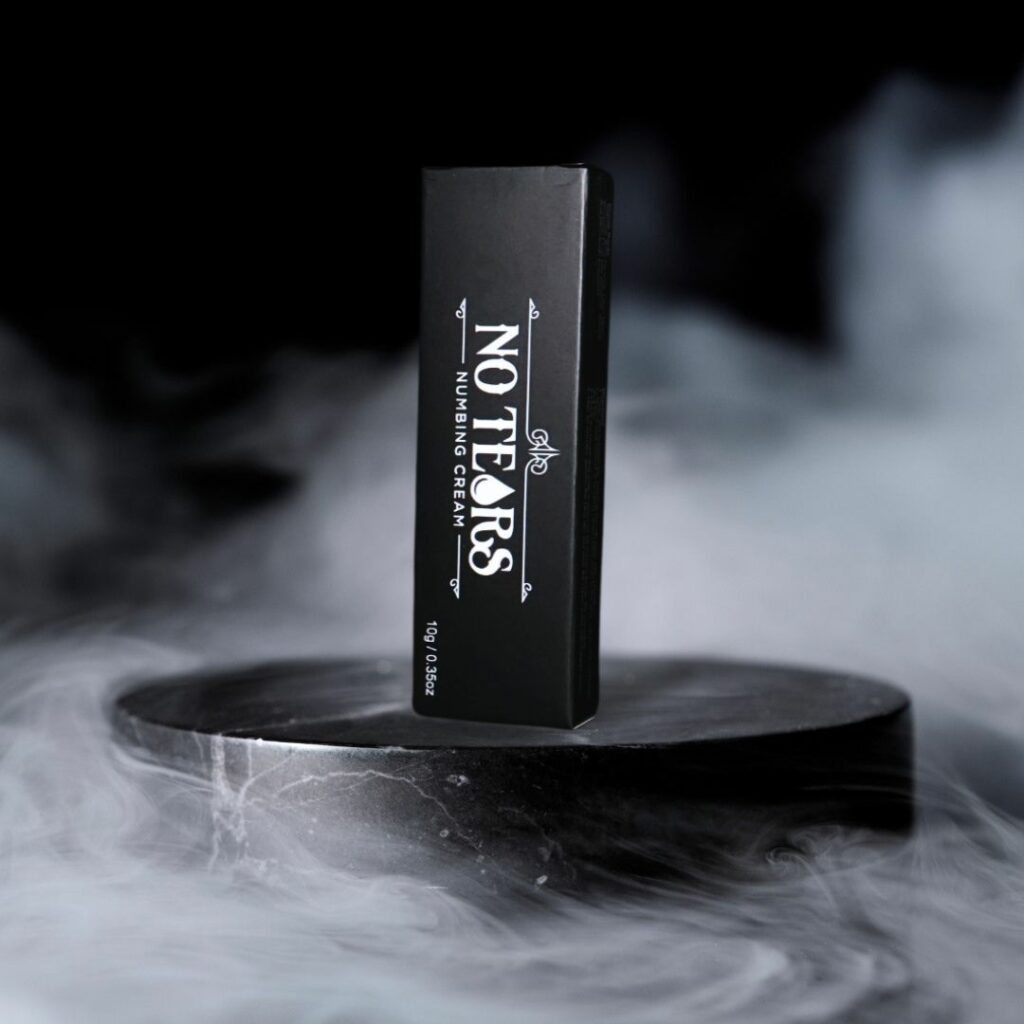
For enhanced pain relief, consider using specialized numbing products designed for tattooing. Our No Tears Numbing Cream is formulated to provide long-lasting numbing, helping reduce pain during extensive or detailed tattoo work. It absorbs quickly and is suitable for all skin types, making it perfect for both first-timers and experienced tattoo lovers.
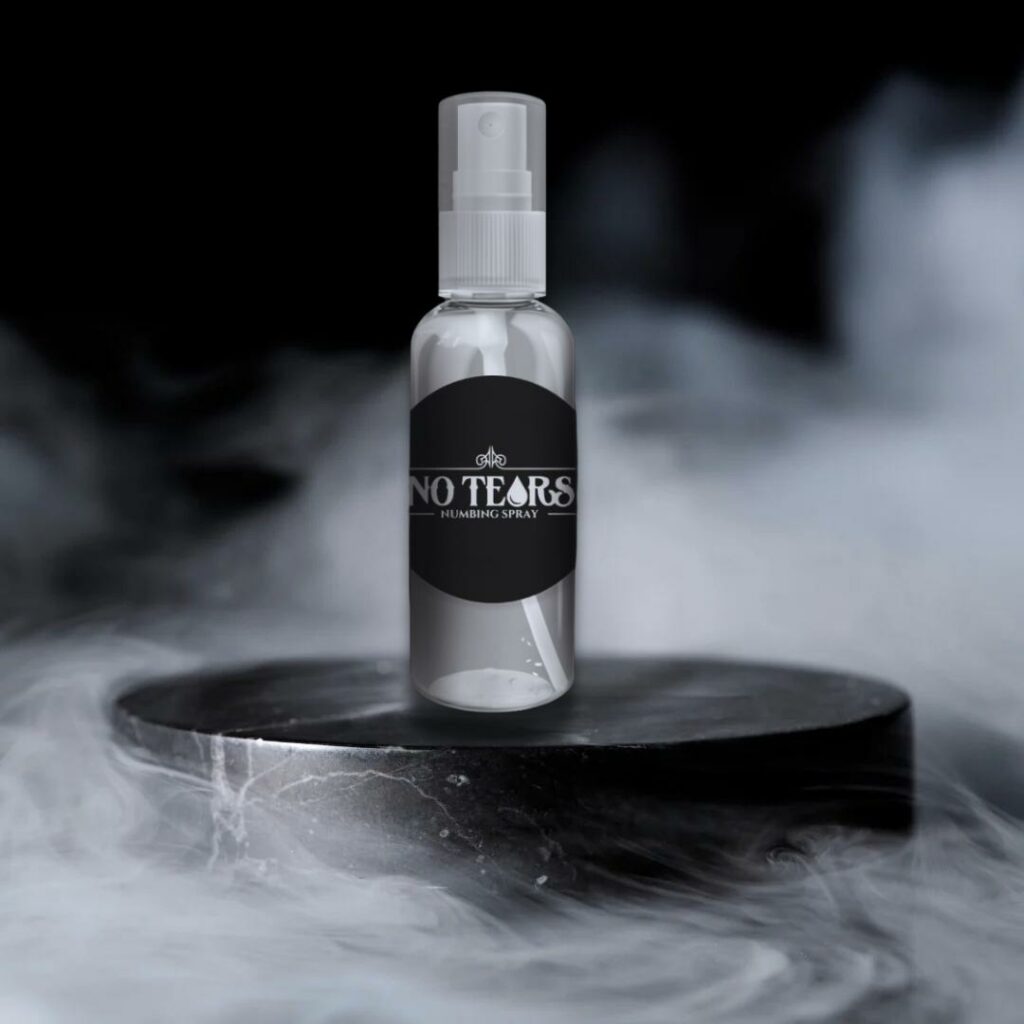
If you need additional relief during your session, try the No Tears Mid Procedure Tattoo Spray. This fast-acting spray works within 45 seconds and can be applied mid-session to ease pain and swelling, allowing you to continue your tattoo without interruption. It’s also useful for soothing discomfort after your session ends.
Using these products together can significantly improve your tattoo experience, letting you focus on the art without distraction from pain.
Understanding what happens during your tattoo appointment can also help reduce anxiety and make the experience more manageable:
By knowing what to expect and preparing accordingly, you’ll be able to enjoy the tattooing process more fully and with less stress.
Back tattoos generally hurt less than areas with thinner skin and more nerve endings, such as ribs or hands. However, pain varies by location on the back—muscle-padded areas hurt less, while spots near bones like the spine or ribs are more sensitive.
Pain during the tattoo usually subsides shortly after the session ends. However, soreness and tenderness can last for several days to a week as your skin heals. Proper aftercare helps reduce discomfort and promotes faster healing.
Yes! Using a high-quality numbing cream like No Tears Numbing Cream before your session can significantly reduce pain. Additionally, the No Tears Mid Procedure Tattoo Spray provides fast-acting relief during longer sessions.
Full back tattoos typically involve longer sessions and more extensive work, which can increase discomfort over time. Breaking the work into multiple sessions is common and helps manage pain.
Stay hydrated, eat well before your appointment, wear comfortable clothing, and discuss your pain tolerance with your tattoo artist. Using numbing products and practicing relaxation techniques also helps.
No tattoo is completely painless, but the fleshy areas of the upper and middle back tend to be the least painful due to muscle padding.