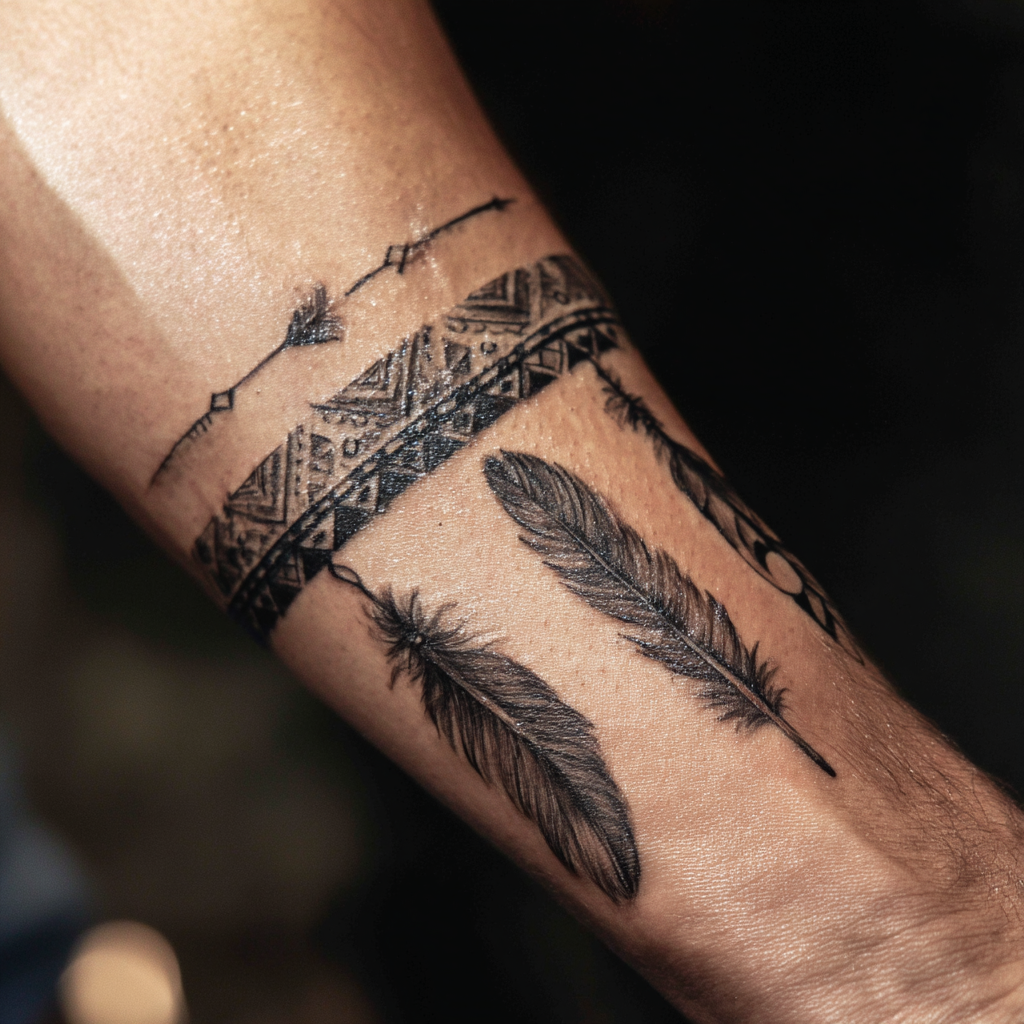
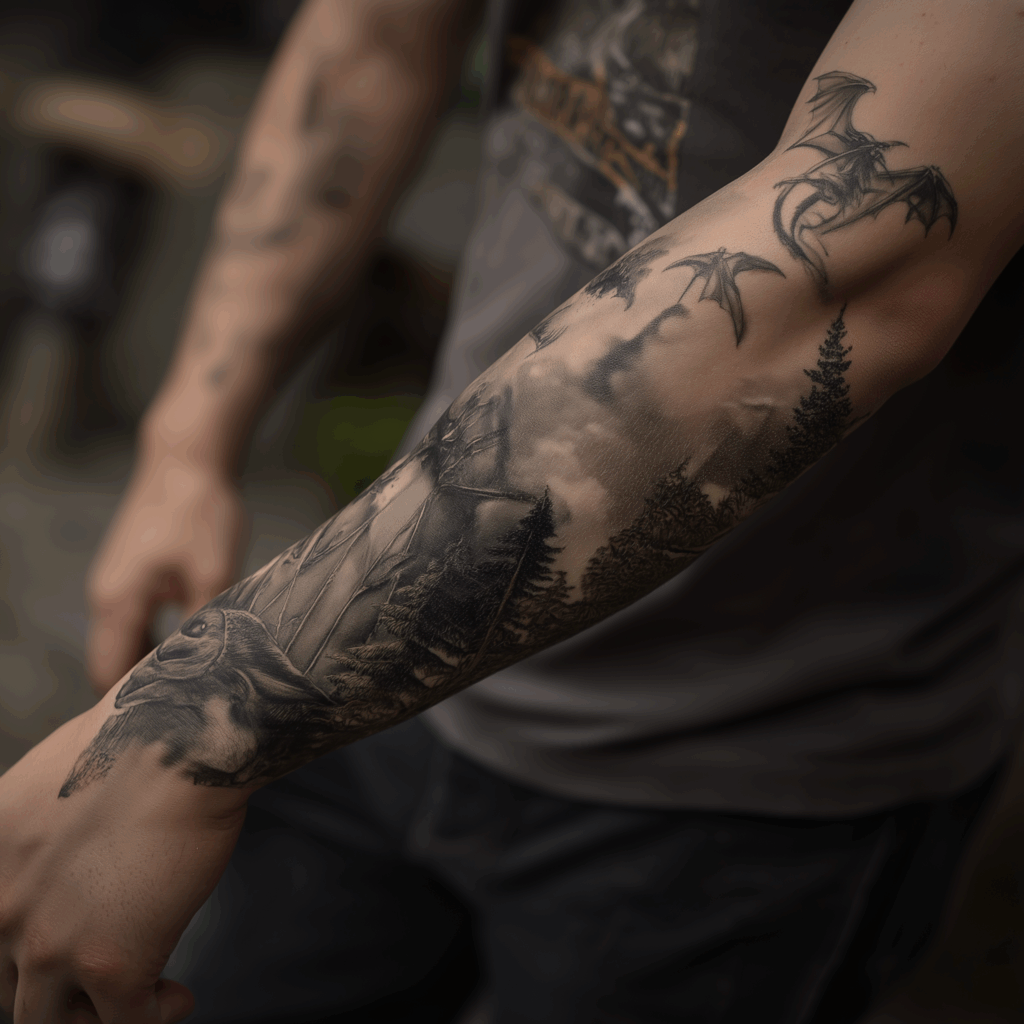
Do forearm tattoos hurt? Generally, forearm tattoos cause mild to moderate pain and are considered one of the least painful tattoo locations. The forearm has thicker skin, fewer nerve endings, and good muscle coverage, which helps cushion the sensation of the needle. While pain levels can vary depending on the exact spot—like the inner forearm or near the wrist—most people find the discomfort manageable, especially compared to more sensitive areas like ribs or feet.
Forearm tattoos have become incredibly popular due to their visibility, versatility, and ability to accommodate detailed designs. Whether you want a small symbol or a large, intricate piece, the forearm offers an ideal canvas. In this article, we’ll explore the varying pain levels across the forearm, factors that affect your pain experience, and tips to help you manage any discomfort during your tattoo session, so you can prepare confidently for your next ink.
Why Forearm Tattoos Are Popular?
If tattoos were a popularity contest, the forearm would be the class president. It’s like the perfect spot where your art gets noticed without being too loud, plus it’s versatile enough for nearly any design you can imagine. Whether you want to show off your ink proudly or keep it somewhat subtle, the forearm checks all the boxes.
Here’s why forearm tattoos are a favorite choice for many:
High Visibility: The forearm offers excellent visibility, making it easy to showcase your tattoo to the world or cover it up with long sleeves when needed.
Design Versatility: Its flat, elongated surface suits a variety of tattoo styles — from small, delicate symbols to large, intricate sleeves.
Personal Significance: Many people choose the forearm to display meaningful art that reflects their identity, beliefs, or milestones.
Relatively Easy Healing: Compared to more mobile or friction-prone areas, the forearm often heals faster and with fewer complications.
Balanced Exposure: Forearm tattoos strike a balance between visibility and professionalism, making them suitable for most social and work environments.
This combination of visibility, versatility, and meaning makes the forearm an ideal canvas for tattoos of all types and sizes.
Anatomy of the Forearm and Its Impact on Tattoo Pain
To understand why forearm tattoos generally cause mild to moderate pain, it’s important to know a bit about the forearm’s anatomy. The forearm consists of skin, muscles, nerves, blood vessels, and bones—all of which influence how much discomfort you’ll feel during your tattoo session.
Skin and Nerves
The skin on the forearm is relatively thick compared to more sensitive areas like the ribs or inner wrist. Thicker skin acts as a natural cushion against the tattoo needle, reducing pain. Additionally, the forearm has fewer nerve endings than highly sensitive regions, which means the sensation tends to be less intense.
Forearm skin is thicker than in many other tattoo areas
Inner forearm skin is thinner with more nerves, veins, and tendons close to the surface
Muscle and Fat Padding
Beneath the skin, the forearm contains a good layer of muscle and some fat, particularly in the central area. This muscle and fat padding helps absorb some of the needle’s impact, making the tattooing sensation less sharp. In contrast, areas with less muscle or fat—like near the wrist or elbow—tend to be more painful because the needle is closer to the bone.
Muscle and fat provide cushioning beneath the skin
The central forearm has more muscle, reducing pain sensations
Less padding near the wrist and elbow increases discomfort
Muscle acts as a natural shock absorber for the needle
Bone Proximity
Tattoo pain often intensifies near bones because there is less soft tissue to soften the needle’s impact. On the forearm, the skin near the wrist and elbow is thinner and lies close to bones and joints. This proximity makes these areas more sensitive to tattooing and often results in a sharper, more intense pain compared to the fleshy central forearm.
Tattooing near bones causes sharper pain
Wrist and elbow areas have thinner skin over bone
Less soft tissue means less cushion for the needle
While the forearm is generally one of the less painful places to get a tattoo, several factors can influence your individual pain experience. Understanding these can help you better prepare and manage discomfort during your session.
Personal Pain Tolerance
Everyone’s pain threshold is different. Some people naturally tolerate pain better, while others may be more sensitive. Factors like genetics, previous pain experiences, and overall health can influence how you perceive tattoo pain.
Individual pain tolerance varies widely
Genetics and past experiences affect pain perception
Being well-rested and healthy can improve pain tolerance
Tattoo Size and Detail
The size and complexity of your tattoo can affect how much pain you feel. Larger tattoos or those with intricate details require longer sessions and more needlework, which can increase discomfort.
Larger tattoos mean longer sessions
More detailed designs require repeated needlework
Extended tattooing time may increase sensitivity and fatigue
Preparation and Mental State
How you prepare and your mental state during the tattoo session can impact pain perception. Being relaxed, hydrated, and well-nourished helps your body handle pain better.
Staying calm reduces pain sensitivity
Hydration and eating beforehand support energy levels
Anxiety or fear can amplify pain sensations
Tattoo Artist’s Skill
An experienced tattoo artist can make a significant difference in your pain experience. Skilled artists work efficiently and use techniques that minimize discomfort.
Forearm tattoos are popular because they offer great visibility and versatility while generally causing less pain than many other tattoo locations. However, the pain you feel can vary depending on which part of the forearm you get tattooed. Here’s a breakdown of pain levels by area:
Outer Forearm
The outer forearm is one of the least painful places to get a tattoo. The skin here is thicker, and there are fewer nerve endings, which helps reduce discomfort. Many people find tattooing on the outer forearm quite manageable, even during longer sessions.
Thicker skin cushions needle impact
Fewer nerve endings reduce pain sensitivity
Generally mild and manageable pain
Suitable for first-timers and large designs
Inner Forearm
The inner forearm has thinner skin and more visible veins and tendons close to the surface. This makes the area more sensitive, resulting in a sharper sensation during tattooing. While still considered mild compared to other body parts, some clients report a bit more discomfort, especially near the wrist.
Thinner skin increases sensitivity
Veins and tendons near the surface add sharpness
Pain is still mild but more noticeable than the outer forearm
Especially sensitive near the wrist
Near the Wrist or Elbow
Pain tends to intensify near the wrist and elbow because the skin is thinner and the needle is closer to the bones and joints. These areas often feel sharper or more intense during tattooing, though with breaks and preparation, the pain remains manageable.
Thin skin over bones causes sharper sensations
Proximity to joints increases discomfort
Sessions may require breaks for comfort
Pain level is higher than the central forearm, but still tolerable
Tips for Managing Forearm Tattoo Pain
Getting a tattoo on your forearm is generally less painful than many other areas, but it’s still important to prepare and take steps to manage discomfort during your session. Here are some effective tips to help make your tattoo experience as comfortable as possible:
Stay Hydrated and Moisturised: Well-hydrated skin is healthier and easier to tattoo, which can reduce pain. Drink plenty of water in the days leading up to your appointment and moisturise your forearm regularly.
Eat a Good Meal Before Your Session: Having a full stomach helps maintain your energy levels and can improve your pain tolerance. Avoid alcohol or caffeine before your tattoo as they can thin your blood and increase sensitivity.
Focus on Relaxation: Staying calm and taking slow, deep breaths can lower your body’s pain response. Try to relax your muscles and distract yourself with music or conversation.
Communicate with Your Tattoo Artist: Don’t hesitate to speak up if you’re feeling uncomfortable. Experienced artists can adjust their technique, take breaks, or offer advice to help you cope with pain.
Using Numbing Products for Extra Comfort
For those who want additional pain relief, topical numbing products can be a great option. Two effective products commonly used during tattoo sessions include:
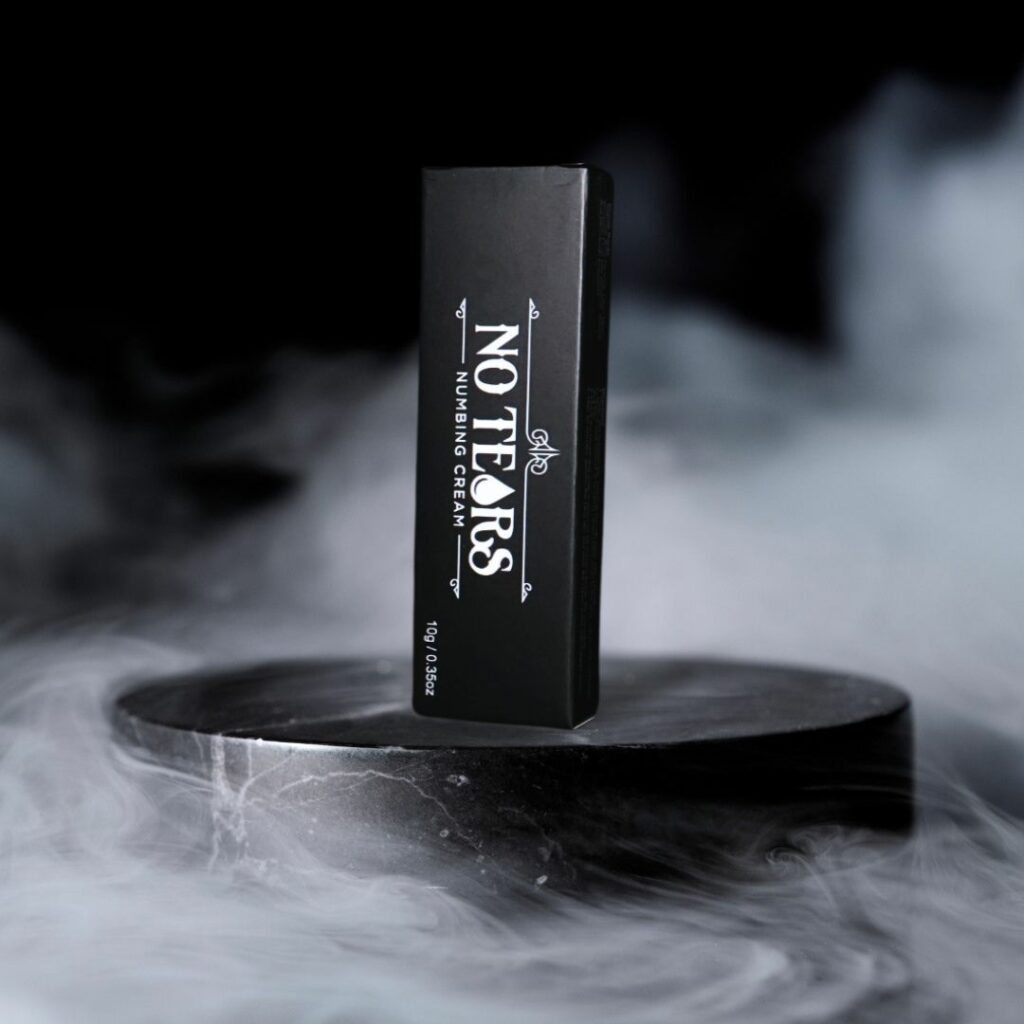
TattooEase Numb Cream: This cream is formulated to provide long-lasting numbness, helping to minimize discomfort throughout your tattoo session. It absorbs quickly and works well for both simple and complex tattoos, making extended sessions more bearable. Suitable for all skin types, it’s an excellent choice if you’re concerned about pain and want to ensure a smoother experience.
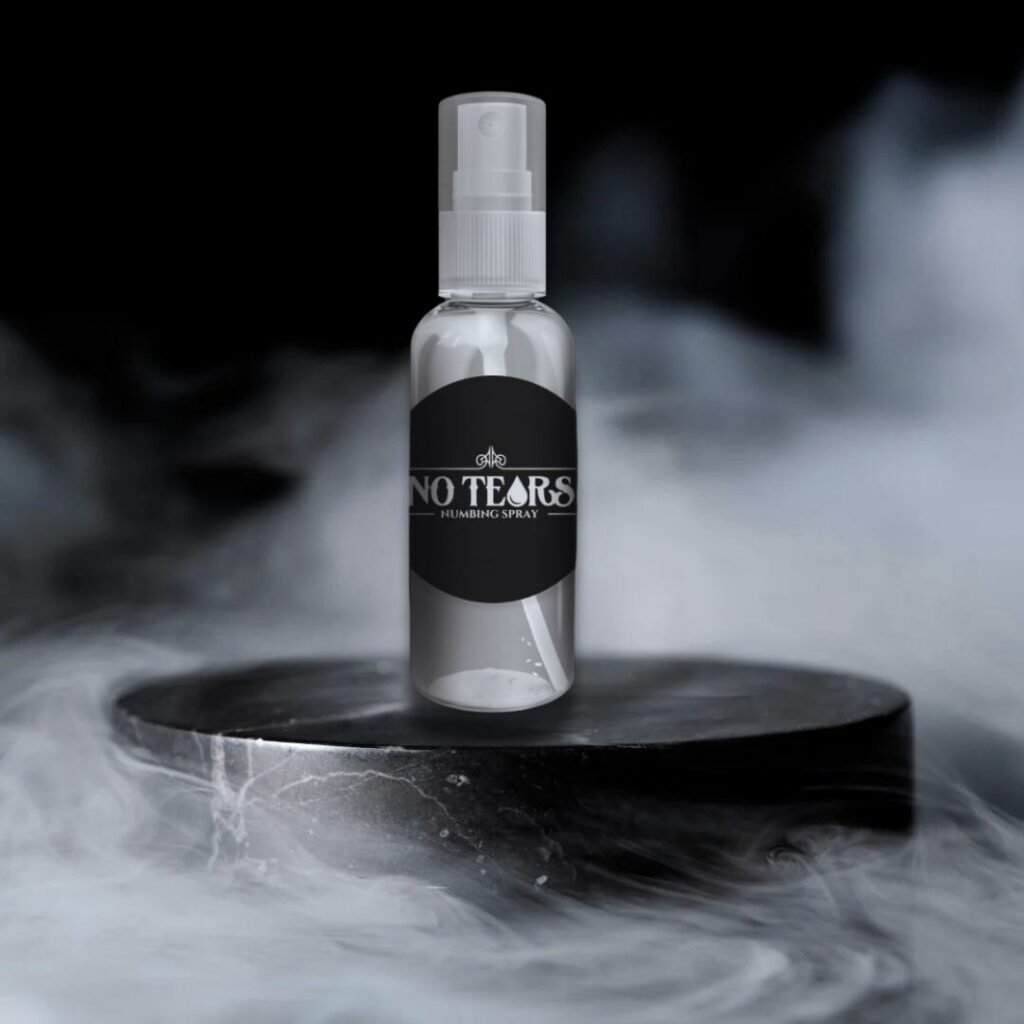
No Tears Mid-Procedure Tattoo Spray: This fast-acting spray is designed for use during the tattoo process, especially when the pain starts to intensify. It takes effect within about 45 seconds and can be applied multiple times during longer sessions to reduce pain and swelling. It’s also helpful for soothing the skin after your tattoo is finished, easing post-session discomfort and itching.
No Pain Ink Cream + Mid-Procedure Tattoo Spray Combo: For maximum comfort, this combo pack offers both the numbing cream and spray, ensuring effective pain management before and during your tattoo session. Trusted by tattoo professionals, it’s an all-in-one solution to help you get through your tattoo with minimal discomfort.
Proper aftercare is key to ensuring your forearm tattoo heals well, looks vibrant, and stays pain-free during the recovery process. Following these steps will help protect your new ink and reduce the risk of infection, irritation, or fading.
Immediate Aftercare: The First 24–48 Hours
Right after your tattoo session, your artist will typically cover the area to protect it from bacteria and rubbing. Follow these steps in the first couple of days:
Leave the bandage on as instructed: Most artists recommend leaving the wrap on for 2 to 4 hours, though some may suggest an overnight covering.
Gently wash your tattoo: Use lukewarm water and fragrance-free antibacterial soap to cleanse the area. Pat dry with a clean paper towel—never rub.
Apply a thin layer of healing ointment: Products like fragrance-free tattoo balms or aftercare lotions will keep the skin hydrated and help it heal faster. Avoid petroleum-based products unless recommended by your artist.
Ongoing Aftercare for the First 2–4 Weeks
The forearm is constantly exposed, so protecting your tattoo during healing is essential.
Moisturize regularly: Apply a fragrance-free moisturizer 2–3 times a day to keep the skin supple and prevent cracking.
Avoid sun exposure: UV rays can fade your tattoo and irritate healing skin. Cover your forearm or use a tattoo-safe sunscreen once your skin is healed enough (after ~2 weeks).
Don’t scratch or pick scabs: Itching is normal, but scratching can cause ink loss and scarring. Let any scabs fall off naturally.
Limit water exposure: Avoid soaking your tattoo in pools, hot tubs, or baths until fully healed. Showers are fine, but keep them short.
Managing Discomfort During Healing
A new tattoo may feel sore or tender for a few days. To relieve discomfort, try these tips:
Apply a cold compress (wrapped in a clean cloth) to reduce swelling and redness.
Take over-the-counter pain relievers like ibuprofen if needed (avoid aspirin as it can thin the blood).
Keep the area clean and dry to avoid infections, which can worsen pain.