
Tattoos are a powerful form of self-expression, allowing individuals to showcase personal stories, beliefs, or artistic preferences through permanent body art. While the design and meaning of a tattoo are often top priorities, the pain associated with getting a tattoo plays a major role in deciding where to place it. Pain levels vary depending on the location, as areas with thinner skin, more nerve endings, or proximity to bones tend to hurt more. The stomach, while offering a large and concealable canvas, is known to be one of the more painful spots due to its sensitivity and the presence of fatty tissue and loose skin.
Understanding the pain involved in getting a stomach tattoo is essential for anyone considering ink in this area. Being mentally prepared can help you better manage the discomfort, plan session lengths, and explore pain relief options like numbing creams. It’s also helpful to compare the stomach with other sensitive areas—such as the hands—which are notorious for intense pain during tattooing. For more insights, including pain scales and effective relief tips, check out this detailed guide on hand tattoo pain and solutions, which can offer valuable advice for managing pain in any high-sensitivity tattoo zone.
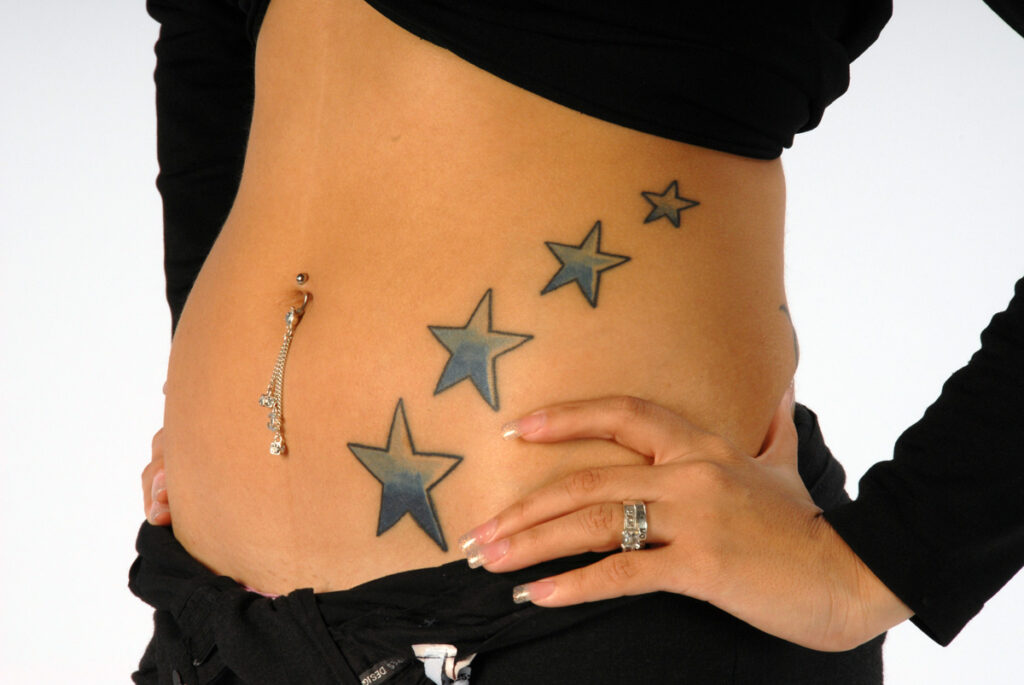
The stomach is a complex and varied region when it comes to tattooing, both anatomically and in terms of pain perception. It’s composed of layers of skin, fat, and underlying muscle, all of which influence how a tattoo feels. The skin on the stomach can be thinner or stretchier depending on the individual, while the fatty tissue beneath can either cushion the pain or, in some cases, make the skin more sensitive due to its looseness. Most notably, the stomach has a moderate number of nerve endings, but it’s also an area that shifts constantly with movement, breathing, and posture—adding to the discomfort during tattooing. The core muscles underneath the skin play a role in sensitivity as well; when flexed or tensed, they can amplify the sensation of the needle, especially during longer sessions.
Here’s a breakdown of pain and sensitivity across different parts of the stomach:
Because of these variables, it’s important to understand that the stomach—much like the back—can be deceptively painful despite seeming like a “safe” area. For a comparison, you may want to explore how much back tattoos hurt, especially since both regions involve large muscle groups and are affected by posture and movement during the session.
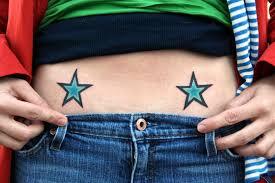
Tattoo pain occurs when a group of needles rapidly punctures the skin, injecting ink into the dermis, the layer just below the surface. This action stimulates pain receptors and nerve endings, which send signals to the brain. The sensation you feel during a tattoo largely depends on where you’re getting it, since skin thickness, nerve density, and individual pain tolerance vary across the body. The stomach, for instance, can be particularly tricky because of its mix of loose skin, fat, and underlying core muscles—all of which can intensify or alter the pain sensation.
Several factors that affect tattoo pain perception include:
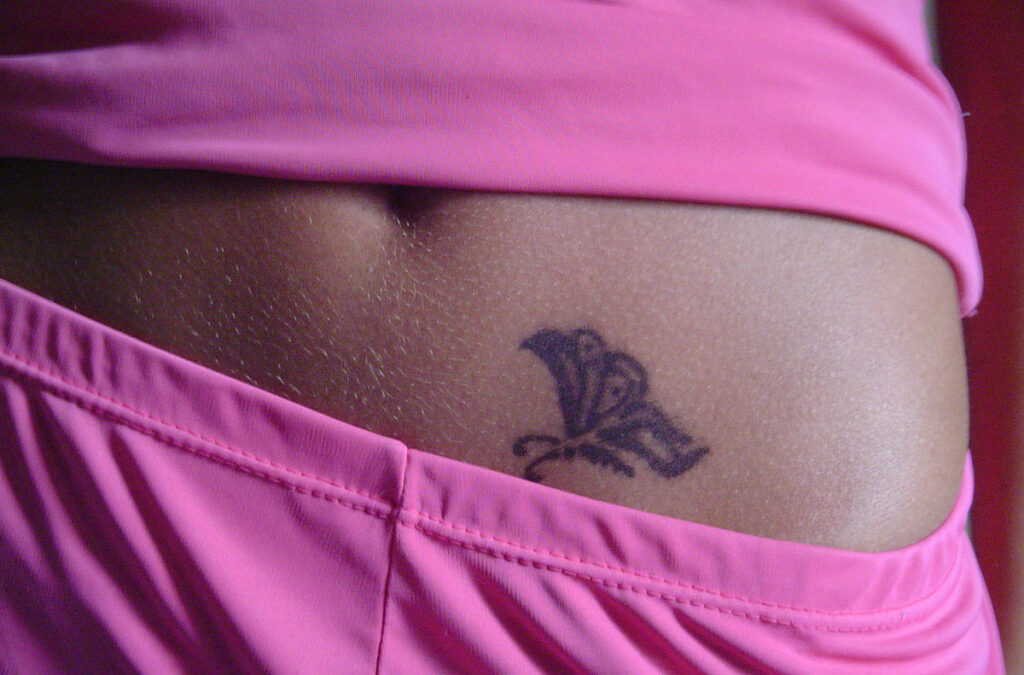
Stomach tattoos can be surprisingly painful due to several anatomical and environmental factors that make the area more sensitive than it appears. The stomach has varying skin thickness, nearby bony structures, constant movement from breathing, and often features like stretch marks or scars—all of which contribute to a heightened pain experience during tattooing.
Key reasons stomach tattoos hurt more:
If you’re looking for a less painful area with more stable skin and fewer complications, you might want to compare it to forearm tattoos, which are generally considered milder in terms of pain and easier for artists to work on.
When deciding on a tattoo location, understanding how the pain of stomach tattoos stacks up against other common areas can help set realistic expectations. Generally, the stomach is considered more painful than places like the arms or thighs, but often less painful than tattoos directly over bones like the ribs or spine.
Here’s a rough pain scale rating (1–10) for different stomach sections:
When compared to other body parts:
Several personal factors also influence how pain is perceived during tattooing:
Understanding these factors and pain comparisons can help you better prepare for the tattooing process and choose the placement that suits your pain tolerance best.
Several key factors can significantly influence the level of pain you experience when getting a tattoo on your stomach. Understanding these can help you better prepare and make decisions that minimize discomfort during your session.
By considering these factors before your appointment, you can better manage expectations and take steps to reduce discomfort while getting a stomach tattoo.

Getting a stomach tattoo can be challenging due to the area’s sensitivity, but there are several effective ways to manage and reduce pain during the process.
Getting a tattoo on your stomach means preparing not just for the pain but also for the unique healing process this area requires. Understanding what to expect and how to care for your tattoo properly will help ensure it heals beautifully and reduces the risk of complications.
What to Expect During Healing
Initially, your stomach tattoo will go through redness, swelling, and tenderness, which usually lasts a few days. You may experience some itching and flaking as the skin begins to repair itself. Because the stomach is a flexible area that moves often, healing may take a bit longer compared to less mobile parts of the body.
How Stomach Movement and Clothing Affect Recovery
Since the stomach stretches and contracts with every breath and movement, it’s important to minimize excessive twisting or tight bending for the first few weeks. Wearing loose, breathable clothing can prevent friction and irritation on the fresh tattoo. Tight waistbands or synthetic fabrics can trap moisture and bacteria, increasing the risk of infection or delayed healing.
Aftercare Best Practices
Signs of Irritation or Infection
Watch for signs like excessive redness, swelling that worsens after a few days, pus or unusual discharge, severe pain, or a fever. If you notice any of these symptoms, contact a healthcare professional promptly, as they could indicate an infection requiring treatment.
Proper aftercare is essential to preserving your stomach tattoo’s quality and preventing complications, so following these guidelines closely will help ensure a smooth healing process.
Yes, generally. Stomach tattoos usually score 5 to 7 out of 10 on average, with the belly button, ribs, and flanks spiking into the 8-to-9 range. It’s a high-pain placement, though rarely described as the single most painful spot.
It varies by person. The lower stomach is often reported as more sensitive, especially close to the hip bones and the pelvic area, while the upper stomach and solar plexus are usually more tolerable — though breathing adds discomfort to both.
Yes, for most people. The belly button is one of the most sensitive spots on the body — thin skin, dense nerves, and no cushioning over the abdominal wall. It’s typically the worst part of any stomach tattoo.
It depends on the exact spot. Extra padding genuinely cushions the needle on the soft centre of the belly, which can feel closer to a 4 or 5 out of 10. But the areas over bone — the ribs and navel — hurt about the same for everyone, because there’s no cushioning there regardless of body size.
It depends on the design. A small piece can take under an hour, while a large, detailed piece across the whole belly can take three hours or longer. Numbing cream can help you tolerate the longer sessions more comfortably.
Yes, and it’s a common and effective choice for this sensitive, high-movement area. Confirm with your artist first and follow the application instructions, applied correctly, a product like NoTears Numbing Cream can significantly reduce the pain.