
Foot tattoos are widely considered one of the most painful areas to get inked. On a scale from 1 to 10, most people rate the pain between 7 and 9, depending on the exact placement. This high pain level is due to the foot’s unique anatomy: thin skin, minimal fat, and a dense concentration of nerve endings. When the tattoo needle hits areas like the toes, arch, or ankle bones, the pain can be sharp, intense, and even jarring for some.
If you’re considering a foot tattoo or just want to understand the experience better, this guide has you covered from start to finish. You’ll learn:
If you’re curious how foot tattoo pain compares to other common tattoo locations, such as the back, be sure to check out this detailed guide on do back tattoos hurt.
By the end of this article, you’ll know exactly what to expect—so you can decide confidently whether a foot tattoo is right for you.
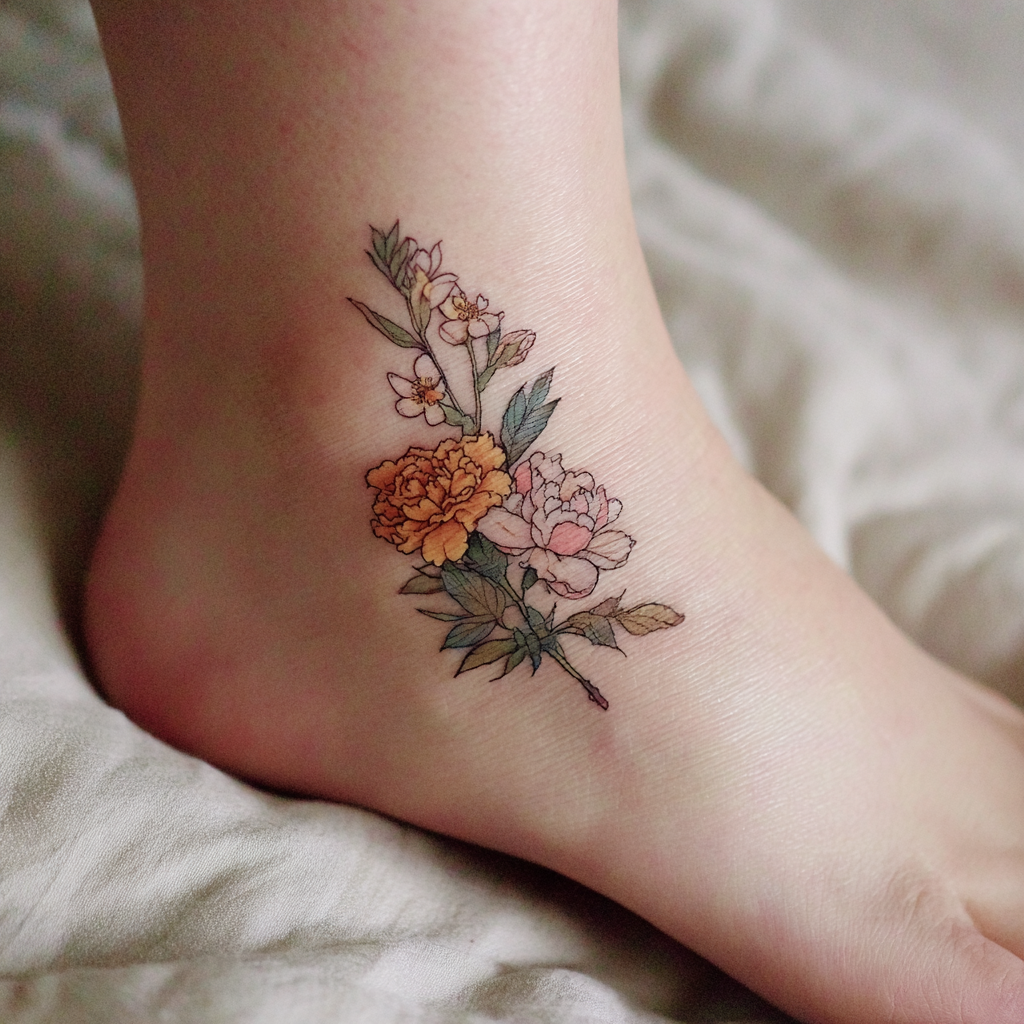
Getting a tattoo on your foot is often described as one of the most painful experiences, but to truly understand why, it’s important to look at the unique structure and sensitivity of the foot. Unlike other parts of the body, the foot is a complex arrangement of bones, nerves, and very thin skin, with hardly any fat or muscle to cushion the needle’s impact.
Tattoo pain is heavily influenced by where the tattoo is placed, and the foot has some of the most delicate areas in terms of anatomy. In this section, we’ll explore the reasons behind foot tattoo pain and help you understand what makes some spots more sensitive than others.
The foot contains thousands of nerve endings, designed to help you sense the ground, balance, and respond to touch. Because these nerves are so close to the surface, sensations—especially pain—are felt much more intensely here than in fleshier parts of the body.
Additionally, the foot has very little natural padding. This means there’s not much to absorb or soften the tattoo needle’s vibrations and punctures, resulting in sharper, more noticeable pain.
The feet have a high concentration of nociceptors, which are pain receptors that detect harmful stimuli. These work alongside mechanoreceptors, which sense pressure and vibration. When the tattoo needle punctures the skin, it triggers these receptors, sending strong pain signals to the brain.
Because of this density of nerve endings, areas like the toes and ankle bones are especially sensitive. This is why tattoos in these locations can feel much more uncomfortable compared to areas with fewer nerve endings.
Pain also depends greatly on what lies beneath the skin. The closer your tattoo is to bone, the more intense the pain tends to be. The foot is mostly bone and tendon, with very little fat or muscle to cushion the sensation.
For example:
The importance of placement is similar to other sensitive spots like the forearm, which is also a popular tattoo area with variable pain levels depending on muscle and bone proximity. For a comparison, see this detailed guide on do forearm tattoos hurt.
The skin on your foot is thinner and less elastic compared to other areas, which means the tattoo needle can penetrate closer to nerve endings and bone. Thinner skin offers less protection, so the sensation can be more painful.
Tattoo artists often have to stretch the skin taut to create a smooth canvas, but this can also increase discomfort because it tenses the nerves and soft tissue.
Not all parts of the foot hurt equally when tattooed. Here’s a rough guide to pain levels in common foot tattoo areas:
| Foot Area | Pain Level (out of 10) | Reason for Pain Level |
|---|---|---|
| Toes | 9/10 | Very thin skin directly over bone; high nerve density |
| Top of the Foot | 8.5/10 | Bones close to the surface; minimal cushioning |
| Arch | 7.5/10 | Slightly thicker skin; some soft tissue padding |
| Heel | 7/10 | Thicker skin and more padding; less nerve concentration |
| Ankle Bones | 9/10 | Sharp pain due to exposed bone and little fat/muscle |
| Sides of the Foot | 7.5/10 | Tight skin with moderate nerve density |
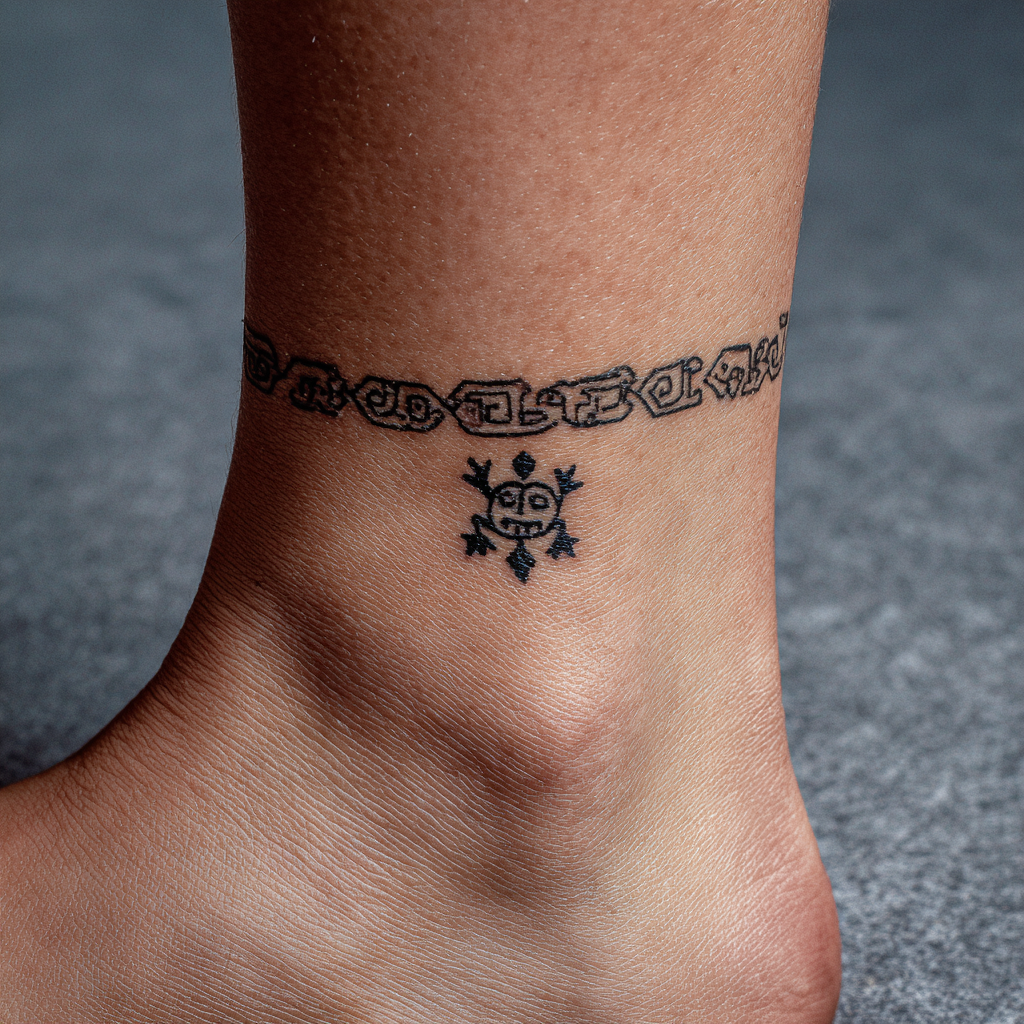
Foot tattoos are often ranked among the most painful, but how does their discomfort compare to other popular tattoo areas like the arms, back, or ribcage? Understanding these differences can help you make an informed decision based on your pain tolerance. This section summarises key comparisons and shares insights from tattoo artists and clients to give a clear picture of where foot tattoos stand in the broader spectrum of tattoo pain.
| Comparison | Pain Level for Foot Tattoos | Pain Level for Other Body Parts | Notes |
|---|---|---|---|
| 2.1 Foot Tattoos vs. Arm Tattoos | 7–9 / 10 | 3–6 / 10 (varies by arm area) | Arms generally have more muscle and fat; outer arm less painful, inner arm and wrist hurt more. |
| 2.2 Foot Tattoos vs. Back/Shoulder Tattoos | 7–9 / 10 | 3–7 / 10 (back less painful, spine area more sensitive) | Back and shoulders have thicker skin and muscle cushioning, so usually less painful overall. |
| 2.3 Foot Tattoos vs. Ribcage or Sternum | 7–9 / 10 | 8–10 / 10 | Ribcage and sternum are notoriously painful, often matching or exceeding foot tattoo pain. |
| 2.4 Least Painful Areas Compared to the Foot | 7–9 / 10 | 1–4 / 10 | Areas like the upper arm, thigh, and calf have more padding and are less painful choices. |
| 2.5 Real Pain Rankings from Tattoo Artists and Clients | 7–9 / 10 | Varies widely; foot and ribs consistently rank among top pain spots | Both professionals and clients agree foot tattoos rank high in pain due to anatomy and nerve density. |
When it comes to tattoo pain, personal pain tolerance plays a huge role in how each person experiences the process. What feels unbearable to one person might be manageable or even mild for another. Understanding how your pain threshold influences your tattoo experience can help you prepare mentally and physically for a foot tattoo.
Several factors can affect your pain perception during a foot tattoo session:
Pain tolerance is highly individual. Some people naturally have a higher threshold for pain due to genetics, previous experiences, or even lifestyle factors like regular exercise or meditation. Others may find the pain overwhelming, especially in sensitive areas like the foot, where nerves and bones are close to the surface.
Preparing yourself mentally, practising deep breathing, and having a good rapport with your tattoo artist can all make a significant difference in managing pain.
Understanding these personal factors helps you approach a foot tattoo with realistic expectations and practical strategies to manage pain.

Tattoo pain isn’t just about where you get inked—it’s also influenced by several other factors that can make the experience more uncomfortable. When it comes to foot tattoos, understanding these elements can help you prepare and manage your expectations better.
The longer you’re under the needle, the more intense and tiring the pain can become. Foot tattoos that take several hours, especially large or detailed designs, increase discomfort because the skin and nerves are continually stimulated without much rest. Shorter sessions or breaks can help reduce overall pain.
Different needles and techniques affect how the tattoo feels.
A skilled artist knows how to balance these factors to minimise pain while delivering great results.
Larger and more complex tattoos naturally take longer to complete, meaning more time sitting through pain. Intricate designs with lots of detail, fine lines, and shading require patience and can intensify discomfort, especially on sensitive areas like the foot.
The technique used also impacts pain:
Understanding these differences helps you prepare mentally for what’s coming during your session.
Not all tattoo artists are created equal. Poor technique, such as inconsistent needle depth, too much pressure, or working too fast, can cause unnecessary pain, prolong healing, and increase the risk of scarring or fading. Choosing a skilled, experienced artist who understands foot anatomy is crucial for a smoother, less painful experience.
Book Best Tattoo Artist in Liverpool
Foot tattoos can be quite painful, so many people look for ways to reduce discomfort during their session. There are several pain relief options available, ranging from topical numbing creams to natural methods. Understanding how these work—and what to avoid—can make your tattoo experience much smoother.
Numbing creams are popular among those getting tattoos on sensitive areas like the foot. These creams work by temporarily dulling nerve endings in the skin, reducing the pain sensation during tattooing. However, their effectiveness can vary depending on the brand, how they’re applied, and the individual’s skin type.
One highly recommended option is the No Tears Tattoo Numbing Cream. Designed specifically for tattoo sessions, it helps minimise pain so you can focus on the art instead of discomfort. Many users report a smoother, more comfortable tattooing experience when using this cream.
Most tattoo numbing creams contain lidocaine or similar active ingredients like prilocaine or benzocaine. Lidocaine works by blocking nerve signals in the area where it’s applied, providing temporary numbness.
The concentration of lidocaine is important: too little might be ineffective, while too much could cause irritation or allergic reactions. No Tears Tattoo Numbing Cream balances this carefully to provide effective pain relief without adverse effects.
For best results, apply the numbing cream about 30 to 60 minutes before your tattoo session. It’s important to:
Remember, numbing creams are not a magic solution but a helpful aid alongside other pain management strategies.
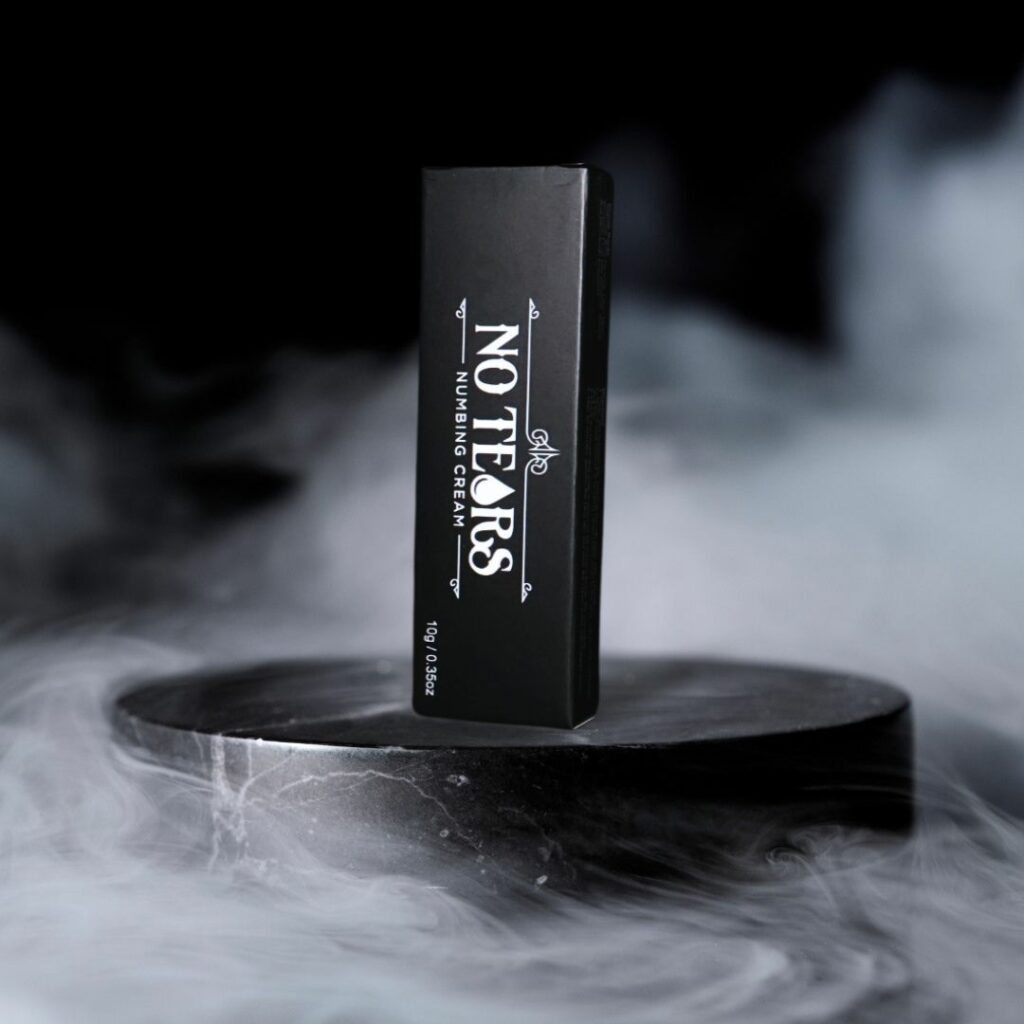
One of the best options for reducing tattoo pain is the No Tears Numbing Cream, priced at around £18.00. This cream offers fast-absorbing, long-lasting numbness, making it perfect for both new and experienced tattoo clients who want to minimise discomfort during long or detailed sessions.
It works quickly to numb the skin for several hours, so you can focus on your tattoo without the distraction of pain. The gentle formula suits all skin types and is especially helpful for sensitive areas like the foot.
If you’re interested in trying this effective pain relief, you can purchase the Pain-Free Tattoo Cream here
If you prefer to avoid chemicals, there are several natural ways to manage pain during your tattoo session:
Avoid these common mistakes that can worsen pain or complicate healing:
Taking care of your foot tattoo properly after the session is just as important as managing pain during the tattoo itself. The foot is constantly on the move and often enclosed in shoes, making it prone to irritation, swelling, and infection if not cared for correctly. Good aftercare not only helps reduce pain but also ensures your tattoo heals beautifully.
The first day after your tattoo is critical. Keep the area clean and avoid any pressure or rubbing from footwear.
Infection can dramatically increase pain and prolong healing, so it’s essential to keep your tattoo clean and protected.
Swelling and bruising are common after foot tattoos due to the sensitive area and its constant movement.
Choosing the right footwear during healing is crucial to avoid irritation.
Keeping your tattoo moisturised helps with pain relief and healing.
Sleeping comfortably after a foot tattoo can be tricky but important for recovery.
Following these aftercare tips will help reduce pain and promote smooth healing, so your foot tattoo looks great for years to come.
It’s in the conversation. The foot, ribs, armpit, and spine are all among the most painful placements, typically scoring 7 to 9 out of 10. The top of the foot and toes are the worst spots; the ankle and arch are the more tolerable areas.
Yes, usually by a clear margin. The arm has thicker skin, more muscle, and more fat to cushion the needle, while the foot sits over bone and tendons with almost no cushioning. Most people find a foot tattoo noticeably more painful than an arm or shoulder piece.
Generally, yes. The top of the foot and instep have thin skin directly over bone and tendons, making them among the most sensitive spots. The arch has a little more give, though it can still feel sharp over the tendons.
It depends on the design. A small piece can take under an hour, while a detailed design covering the top of the foot and toes can take two to three hours or longer. Numbing cream can help you sit through the longer sessions more comfortably.
Yes, and it’s a common and effective choice for this sensitive area. Confirm with your artist first and follow the application instructions — applied correctly, a product like NoTears Numbing Cream can significantly reduce the pain.
A foot tattoo carries a higher risk of complications because the area is exposed to dirt, friction, and constant movement. Using an experienced, hygienic artist and following proper aftercare reduces those risks, and you should see a doctor if you notice signs of infection.