
Spine tattoos have surged in popularity in recent years, admired for their bold, striking designs and ability to accentuate the natural contours of the back. From delicate minimalist lines to intricate, full-spine artwork, these tattoos offer a unique way to express personal style.
However, with their rising popularity comes a common concern: how much do spine tattoos hurt? The spine is a sensitive area with thin skin, minimal cushioning, and numerous nerve endings, making pain a major consideration for anyone thinking about getting inked along the back.
If you’ve been considering a spine tattoo but are worried about the pain, this guide will give you a detailed breakdown of what to expect, including pain levels by spine area, factors that influence discomfort, and tips to make your tattoo experience more manageable.

The spine is widely regarded as one of the more sensitive areas for tattoos, and there’s a good reason for it. Several anatomical features make tattooing along the spine more painful compared to the fleshier parts of the body.
All these factors combined make spine tattoos a high-pain area for many people. Understanding the anatomy helps set realistic expectations and allows you to prepare mentally and physically for the experience. For a comparison with other sensitive tattoo areas, you can also read our guide on neck tattoo pain levels and tips.
Not all spine tattoos hurt the same way. Several factors can influence how much discomfort you might experience, making it important to understand what could make your session more or less painful.
Tattoo Location: Pain varies depending on which part of the spine is being tattooed. The upper spine near the shoulders is usually more tolerable, while areas along the vertebrae or lower back can feel sharper due to proximity to bone and nerve clusters.
Tattoo Size and Complexity: Larger tattoos or intricate designs take longer to complete, which can increase discomfort over extended sessions. Small, simple tattoos are typically easier to endure.
Other factors that play a role include:
For comparison, if you’re curious about how tattoo pain varies in other areas, check out our guide on Do Forearm Tattoos Hurt.
Understanding these factors can help you set realistic expectations and take steps to make your spine tattoo session more comfortable.
When considering a spine tattoo, it’s helpful to compare the pain to other common tattoo locations. While individual pain tolerance varies, most tattoo enthusiasts agree that spine tattoos rank among the more painful areas.
Rib Tattoos: Rib tattoos are notorious for their intense pain because the skin is thin and lies directly over the bones. Like spine tattoos, the ribs have minimal cushioning, making both areas high on the pain scale.
Chest Tattoos: Pain on the chest can vary depending on placement. Over bony areas like the sternum, it can feel quite sharp, similar to the sensation along the spine. Fleshy parts of the chest are generally more tolerable.
Arm Tattoos: Areas like the upper arm or forearm typically experience less pain due to thicker skin and more muscle padding.
Leg Tattoos: Pain on the legs varies by location. Thigh tattoos are often considered moderate in discomfort, while tattoos on bony areas like the shin or knee can feel sharper, though still generally less intense than spine tattoos.
Many tattoo enthusiasts describe spine tattoos as a sharp, concentrated sensation, particularly over the vertebrae. While the discomfort is temporary, it is often more pronounced than tattoos on fleshier, well-padded areas like the upper arm or thigh.
The spine is a sensitive area, but pain levels can vary depending on the specific location of the tattoo. Understanding these differences can help you prepare mentally and physically for your session.
| Spine Area | Pain Level | Details |
|---|---|---|
| Upper Spine (between shoulder blades) | Moderate to High | This area has slightly more padding from surrounding muscles, but tattooing over the vertebrae can still feel intense. Many people describe the sensation as a sharp, deep pressure. |
| Mid Spine (center of the back) | High | Skin is thinner and closer to the vertebrae, which increases sensitivity. Prolonged sessions here can feel more uncomfortable due to the concentrated nerve endings along the midline. |
| Lower Spine / Tailbone Area | Very High | The lower back and tailbone area have minimal cushioning, and the proximity to bone can make tattooing extremely painful. Many tattoo enthusiasts rank this as one of the most sensitive spots on the spine. |
| Side of Spine / Ribs along Spine | Extremely High | Tattooing along the ribs and sides of the spine can be intensely sharp. Thin skin over bony areas combined with numerous nerve endings often makes this one of the most painful locations for a tattoo. |
Overall, the closer the tattoo is to bone and dense nerve clusters, the more intense the sensation will be. While pain is subjective, this breakdown provides a clear picture of what to expect across different spine areas.
Getting a spine tattoo can be intense, but there are several strategies to help manage discomfort and make the experience more manageable.
Your mindset plays a significant role in how you perceive pain. Approaching your tattoo session with calmness and a positive attitude can help reduce anxiety, which often amplifies discomfort. Visualizing the finished tattoo and focusing on the end result can make a big difference.
Healthy, hydrated skin tolerates tattooing better. In the days leading up to your appointment, moisturize the skin along your spine, drink plenty of water, and avoid sunburn or harsh skin treatments.
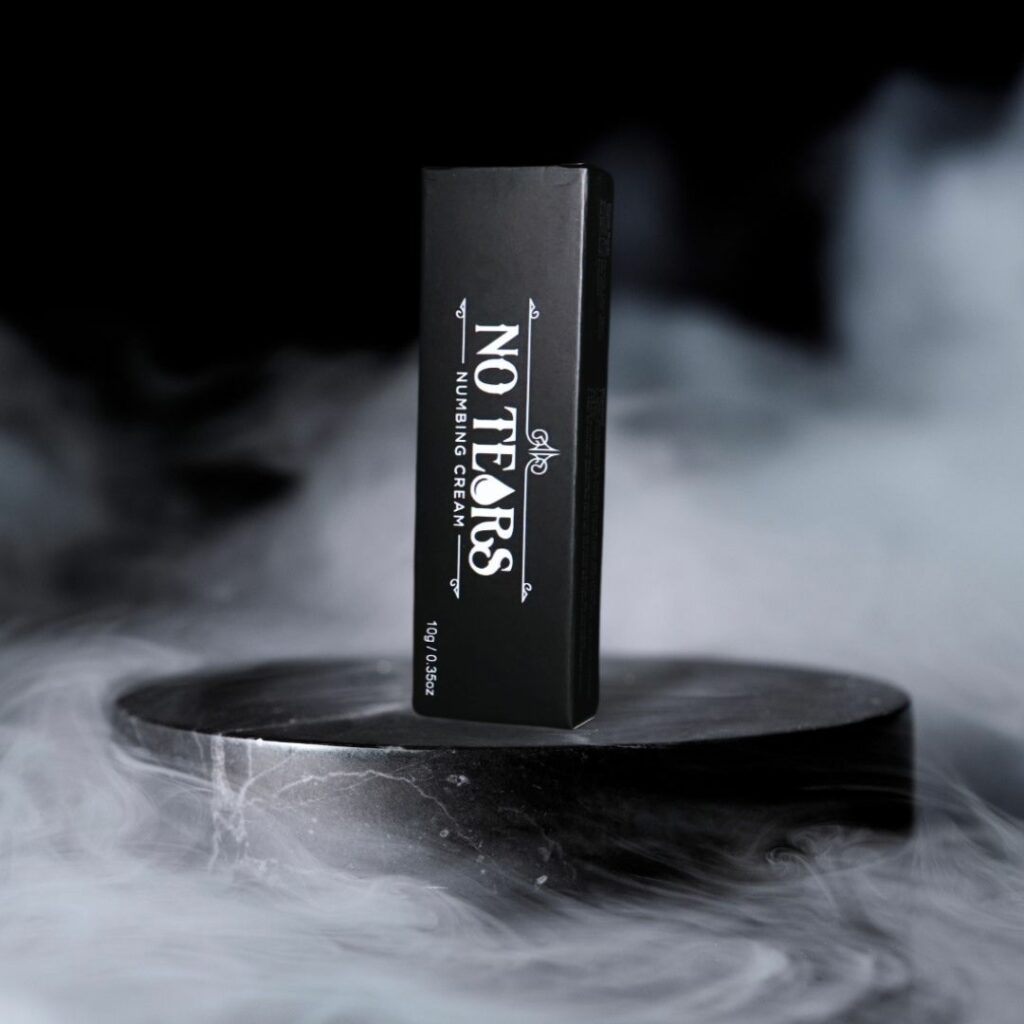
Topical numbing products can significantly reduce discomfort, especially in sensitive areas like the spine:

Slow, deep breaths help reduce tension and manage pain during tattooing. Listening to music, podcasts, or chatting with your artist can also serve as helpful distractions.
An experienced tattoo artist who has worked on spine tattoos knows how to minimize discomfort through technique, needle speed, and careful placement. Their expertise can make a noticeable difference in both pain levels and final results.
Pain doesn’t end when the tattoo machine stops—proper healing and aftercare are essential to reduce discomfort, prevent infection, and ensure your spine tattoo looks its best.
The pain experienced during healing is different from the immediate needle sensations. While tattooing pain is sharp and concentrated, post-tattoo discomfort tends to be duller, including tenderness, swelling, and sensitivity along the spine. Most people notice this discomfort easing over the first few days.