
If you’re asking whether neck tattoos hurt, the honest short answer is yes, and it’s one of the more painful spots you can choose. The neck combines several of the factors that drive tattoo pain up: very thin skin, bony surfaces with little fat to cushion the needle, and a dense concentration of nerves. For most people, getting a neck tattoo feels more intense than an arm or shoulder piece, even if the overall area is smaller.
That doesn’t mean it’s unbearable, and it doesn’t mean you should change your mind. Pain is subjective, and plenty of people sit through neck tattoos every day. What matters is going in with accurate expectations, understanding exactly which parts of the neck hurt more, and knowing what you can do to make the experience easier on yourself. That’s exactly what this guide covers, so you can decide with your eyes open.

Before you worry about the number on a pain scale, it helps to understand why the neck feels the way it does. Tattoo pain comes down to how much cushioning you have between the needle and your nerves, how thin your skin is, and how close the area sits to bone.
The neck is a worst-case combination on most of those fronts. There’s very little fat or muscle over the front and sides of the neck, so the vibrating needle sits almost directly against your cervical spine, larynx, and windpipe. Skin there is also thinner than almost anywhere else on your body. Every sharp pass of the needle transmits straight to the nerves underneath, with nothing soft to absorb it.
On top of that, the neck houses major nerves and is packed with sensitive nerve endings. Your body is wired to protect your throat and airway, so it responds defensively to anything touching that area. The result is a placement that most people rate as noticeably more painful than the arm, leg, or back.
Not every part of the neck hurts the same. If you’re planning a specific design, it’s worth knowing which zone you’re committing to, because the difference between them can be significant.
Below is a practical breakdown of how the different areas of the neck tend to feel. These are general estimates based on how artists and clients describe the experience, and your own result may vary.
| Neck Area | Typical Pain Level (0–10) | What It Feels Like |
|---|---|---|
| Back of neck / nape | 5–7 | Moderate; skin is a bit thicker here, so it’s the most manageable neck spot |
| Side of neck | 7–8 | Intense, with a sharp, harsher sensation close to the jawline |
| Front of throat | 8–9 | The toughest zone; thin skin over the windpipe and larynx |
| Collarbone / upper chest junction | 8–9 | Very painful, because the needle runs over bone |
| Behind the ear | 5–6 | More tolerable, though the vibration can feel odd |
The back of the neck, where the skin is slightly thicker and there’s a little more give, is where most people who want a neck tattoo start. The front of the throat is the opposite end of the scale — many people describe it as one of the most intense spots they’ve ever been tattooed, and some artists are reluctant to work there at all because of the risks.
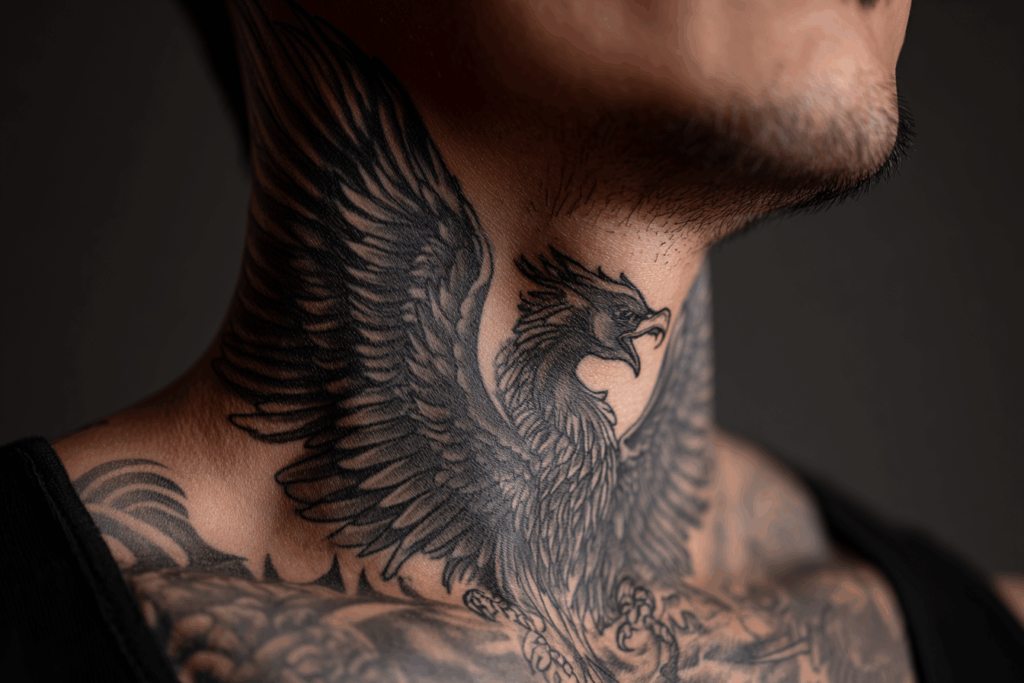
Not all neck tattoos hurt the same way, and several factors can influence how much discomfort you might feel during your session. Understanding these can help you prepare both mentally and physically for the experience.
Location on the Neck plays a big role in pain levels. Areas like the front of the neck and under the jaw are particularly sensitive due to thin skin and numerous nerve endings. The sides and back of the neck may be slightly less painful, but they still can be uncomfortable compared to fleshier areas of the body.
Tattoo size and detail also matter. Larger tattoos or intricate designs require longer sessions, which can increase discomfort over time. Smaller or simpler tattoos typically result in shorter sessions and less prolonged pain.
Other important factors include:
By considering these factors, you can set realistic expectations and take steps to make your neck tattoo experience as comfortable as possible.
When considering a neck tattoo, it’s helpful to compare the pain to other common tattoo locations. While pain tolerance varies from person to person, many tattoo enthusiasts agree that neck tattoos rank among the more painful areas.
For example:
Many tattoo enthusiasts describe neck tattoos as a sharp, intense sensation, especially around the throat and jawline. While the pain is temporary, it is more pronounced than tattoos on fleshier areas like the forearm or upper back. Knowing this comparison can help you mentally prepare for your session and choose the right location for your next tattoo.

Getting a neck tattoo can be an intense experience, but there are several strategies to help manage discomfort and make the process more manageable.
Your mindset plays a significant role in how you perceive pain. Approaching your tattoo session with calmness and a positive attitude can help reduce anxiety, which often amplifies pain. Visualizing the result and reminding yourself that discomfort is temporary can make a big difference.
Well-hydrated and healthy skin tends to tolerate tattooing better. In the days leading up to your appointment, make sure to moisturize your neck, drink plenty of water, and avoid excessive sun exposure or harsh skin treatments. Healthy skin is more resilient and less prone to irritation.
Topical numbing products can make a significant difference when getting a tattoo in sensitive areas like the neck. One highly recommended option is No Tears Numbing Cream, which is specifically formulated for tattoos.
Buy:- Pain relief Numbing Cream
Breathing Techniques and Distraction Methods
Controlling your breathing can help manage pain and anxiety during your session. Slow, deep breaths reduce tension and make needle sensations easier to tolerate. Listening to music, podcasts, or even chatting with your artist can also serve as helpful distractions.
Choosing the Right Tattoo Artist
Selecting an experienced tattoo artist who has worked extensively with neck tattoos is crucial. Skilled artists know how to minimize discomfort through technique, machine speed, and careful placement. Their expertise can make a significant difference in both your pain experience and the final result.
Getting a neck tattoo doesn’t end when the needle stops; proper healing and aftercare are essential to reduce pain, prevent infection, and ensure your tattoo looks its best. The pain you experience during healing is different from the pain during the tattooing process, but it’s still important to manage.
Pain During Healing vs. During Tattooing
While tattooing pain is sharp and immediate, post-tattoo discomfort tends to be duller and more manageable. Most people report tenderness, slight swelling, and sensitivity in the first few days, which gradually improve as the skin heals.
Common Discomforts During Healing
Tips for Faster Recovery and Reducing Post-Tattoo Pain
By understanding what to expect during the healing process and following these aftercare tips, you can minimize pain and help your neck tattoo heal smoothly and beautifully.
Neck tattoos do hurt — usually more than an arm, but less than the very worst placements, and the exact level depends heavily on where on the neck your design sits. The good news is that you’re not helpless in the face of that pain. Good preparation, a calm mindset, and a quality numbing cream like NoTears Numbing can take a genuinely intense experience and make it something you can actually sit through.
What you shouldn’t do is go in blind. Know which zone you’re committing to, budget for the reality of healing a high-movement area, and think honestly about what a permanently visible tattoo means for your work and your life. Pain is temporary and manageable. The tattoo, your choice, and how you handled the process will stay with you for a long time. Go prepared, pick a great artist, and the fear tends to shrink far faster than you’d expect.
No, it’s not the single most painful spot, but it’s close. Areas like the ribs, spine, feet, and armpit are generally ranked as more painful. The neck typically sits around a 7 to 9 out of 10 depending on the exact zone, which puts it among the more intense placements.
Yes, usually. The arm has more skin thickness and muscle cushioning, while the neck is thinner and sits over bone and nerves. Most people find a neck tattoo noticeably more painful than an arm or shoulder piece.
Generally, yes. The front of the throat has thinner skin over the windpipe and larynx and is one of the most sensitive areas, while the back of the neck has slightly thicker skin and is the most tolerable neck placement.
It depends on the design. A small piece can take under an hour, while more detailed or wrapping designs can take two to three hours or longer. Numbing cream can help you tolerate the longer sessions more comfortably.
Yes, and it’s a common and effective choice for this sensitive area. Always confirm with your artist first and follow the application instructions — applied correctly, a product like NoTears Numbing can significantly reduce the pain.
The throat area carries higher risks, including damage to sensitive structures and a higher chance of complications, so it’s essential to use an experienced, reputable artist. Many artists are cautious about throat work for good reason, and you should take their advice seriously.