
Shoulder tattoos have become increasingly popular among both men and women in recent years. Many people wonder, “Do shoulder tattoos hurt?” — the short answer is yes, to some degree — but generally, it’s a tolerable and manageable level of discomfort (far less intense than, say, finger tattoos). Pain depends on anatomy, placement on the shoulder, design complexity, and your individual pain tolerance.
The shoulder is a go-to spot for ink for good reason: it offers visibility when you want it and concealment when needed, allows for a wide variety of design shapes (circular, flowing, radial, etc.), and serves as a natural bridge to upper-arm or back tattoos. Because it connects well with those adjacent areas, many people plan shoulder pieces as part of larger sleeves or back pieces.
In this article, we’ll dive into how pain varies across different regions of the shoulder, examine the main factors that influence your experience, guide you through aftercare, and share tips to reduce discomfort during the session. (For comparison, you may also find this write-up on “Do Finger Tattoos Hurt?” helpful, since finger areas tend to be more painful due to thinner skin and proximity to bone.
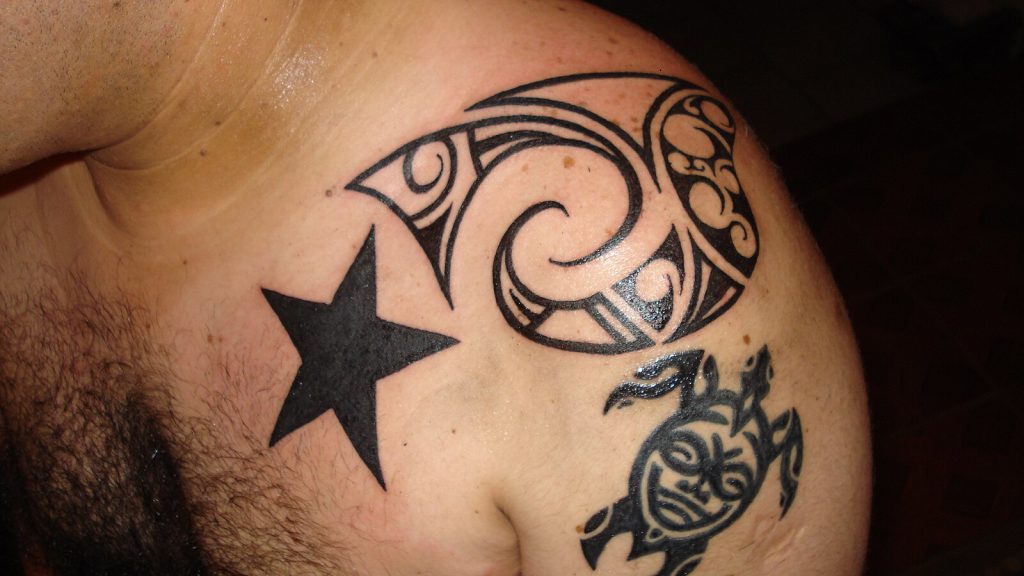
Understanding the anatomy of your shoulder is essential for anticipating tattoo pain and planning your design. The shoulder is a complex joint connecting the upper arm to the torso, composed of key structures such as the deltoid muscle, shoulder blade (scapula), collarbone (clavicle), and the humerus (upper arm bone). The thickness of muscle, skin, and fat in different areas directly affects how much discomfort you might feel during a tattoo session.
Here’s a breakdown of shoulder areas and their pain sensitivity:
Nerve distribution also plays a key role in tattoo discomfort:
A simple shoulder pain map can help visualize where you may feel more or less discomfort:
Understanding these zones allows you to plan your tattoo placement wisely and set realistic expectations for pain. By choosing areas that match your comfort level and discussing your design with your tattoo artist, you can ensure a smoother, more enjoyable tattoo experience.

If you’re considering a shoulder tattoo, one of the first questions on your mind is probably, “Does a shoulder tattoo hurt more than other areas?” In general, shoulder tattoos are considered moderately painful — less intense than rib or spine tattoos, but often slightly more sensitive than thigh or upper arm tattoos. Comparing pain across body parts can help set expectations: wrists, collarbones, and shoulder blades tend to be more sensitive due to thinner skin and proximity to bone, while fleshy areas like the outer shoulder or thighs provide more cushioning.
Individual pain tolerance plays a major role. People with more muscle and fat in the shoulder area often experience less discomfort, while those with leaner or more bony shoulders may feel sharper sensations. Similarly, tattoo size and duration matter: small shoulder tattoos usually feel tolerable throughout the session, but larger or wrap-around shoulder designs can become uncomfortable over time due to prolonged exposure to the tattoo needle.
Let’s break down pain levels based on specific shoulder zones and common design types:
| Shoulder Area | Pain Level (1–10) | Sensation Description |
|---|---|---|
| Outer shoulder | 3–4 | Dull and tolerable |
| Top shoulder / collarbone | 5–7 | Sharp, stinging |
| Shoulder blade | 6–8 | Vibrating and sensitive |
| Under shoulder wrap | 7–8 | Prolonged soreness |
It’s worth noting that pain perception varies widely among individuals. Some people describe the tattoo sensation as a mild scratching, while others feel it as intermittent stinging or vibrating discomfort. Factors like hydration, rest, and mental preparation can also influence how intense the pain feels.
For comparison, areas like the neck are usually far more sensitive due to minimal padding and dense nerve clusters. If you want a detailed guide on how tattoo pain differs in sensitive regions, check out our article on Do Neck Tattoos Hurt? Pain Levels, Tips, and What to Expect. Understanding these differences can help you plan your tattoo session better and choose a placement that matches your comfort level.

Getting a shoulder tattoo isn’t just about picking a design — several factors influence how much discomfort you might feel during the session. Understanding these variables can help you prepare, minimize pain, and enjoy a smoother tattoo experience.
The location of your tattoo on the shoulder is one of the biggest pain determinants. Areas closer to bone, like the collarbone or shoulder blade, tend to feel sharper and more intense. In contrast, regions with thicker muscle, like the outer deltoid, provide natural cushioning and are generally less painful.
Larger tattoos or designs with intricate shading require longer sessions, which can increase discomfort over time. Even a small tattoo can feel intense if it has detailed line work or dense color shading.
The style of your tattoo affects how the needle interacts with your skin.
Not all artists tattoo the same way. A light-handed artist can make the process smoother and less painful, while a heavy-handed approach can feel more intense. Communication is key — ask your artist about their technique and take breaks if needed.
Your skin condition also plays a role in pain perception. Dry, thin, or scarred skin tends to be more sensitive, making the tattoo process less comfortable. Proper hydration and moisturizing in the days leading up to your session can improve your skin’s resilience.
Your physical and mental state can amplify or reduce pain. Factors include:
Studies suggest that women may experience tattoo pain more acutely due to higher nerve density in certain areas. However, individual differences, preparation, and mental focus often outweigh gender alone in determining pain tolerance.
Getting a shoulder tattoo can be an exciting experience, but even the most prepared tattoo enthusiasts may feel some discomfort. Fortunately, there are several safe, practical strategies to reduce pain and make your session as comfortable as possible.
One of the most effective ways to minimize shoulder tattoo pain is with a tattoo numbing cream or spray. High-quality products like No Tears Numbing Cream and No Tears Mid-Procedure Tattoo Spray provide targeted relief:
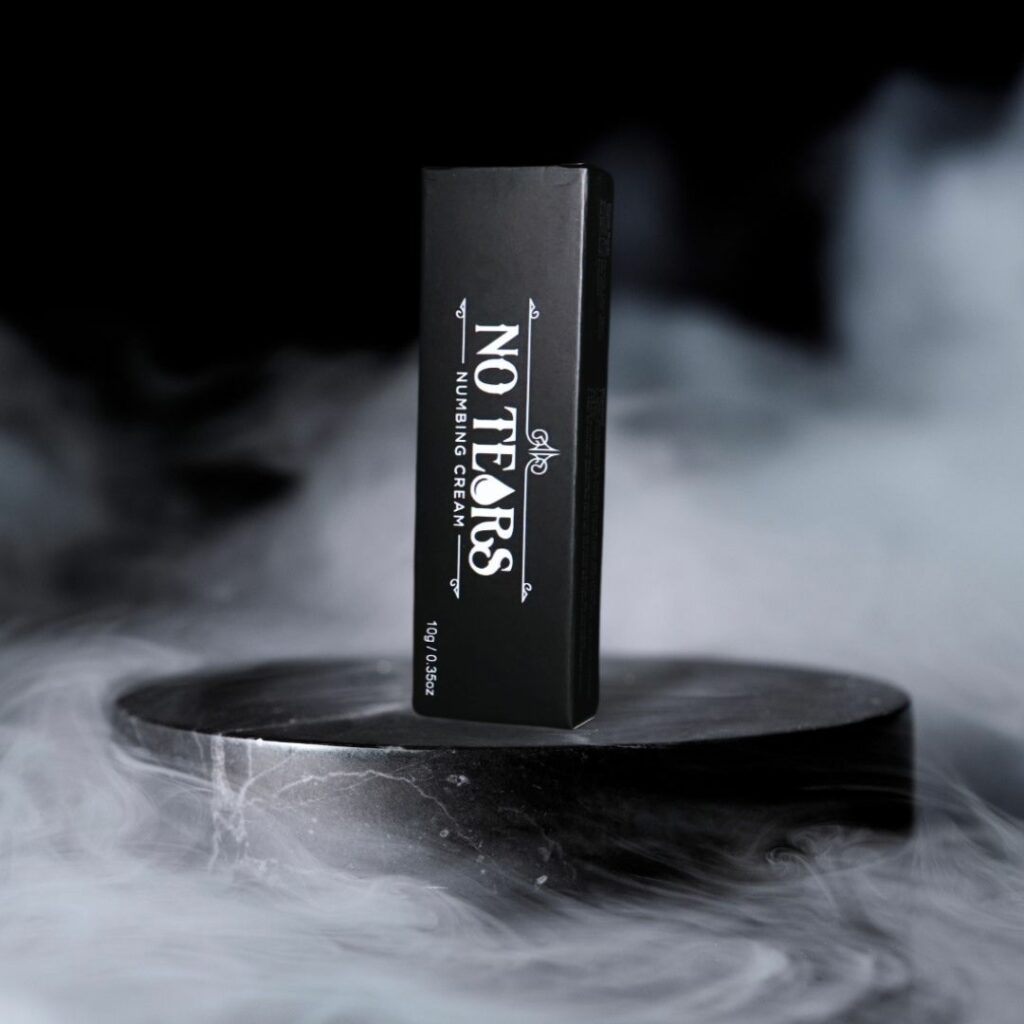
For anyone planning a shoulder tattoo, pain management can make a huge difference in the overall experience. No Tears Numbing Cream is specifically designed for long or complex tattoo sessions. Its advanced formula absorbs quickly and provides effective relief that can last for hours, making it easier to handle larger designs or extended tattoo sessions without needing constant breaks. Suitable for all skin types, it allows both beginners and seasoned tattoo enthusiasts to focus on the artwork rather than discomfort.
Key benefits of No Tears Numbing Cream include:
Buy Pain Relief tattoo Cream Now

For ongoing relief during your session, No Tears Mid-Procedure Tattoo Spray is an excellent companion. This fast-acting spray works in as little as 45 seconds, making it perfect for use once the skin has been broken. It helps reduce pain, redness, and swelling mid-session, allowing you to continue comfortably without interruption. It’s also helpful post-session, easing soreness and itching while your tattoo heals.
Key benefits of No Tears Mid-Procedure Tattoo Spray include:
Having a proper meal before your tattoo keeps your blood sugar stable, which helps your body manage pain more effectively. Low blood sugar can make you feel faint or more sensitive to discomfort.
Well-hydrated skin is more supple and easier for the tattoo artist to work on, reducing friction and overall pain. Drinking water in the days leading up to your session is essential.
Fatigue amplifies pain perception. A well-rested body tolerates tattoo sessions better, making long sessions more manageable.
Both alcohol and excessive caffeine can thin the blood, increasing the likelihood of bleeding during your tattoo. More bleeding can make the process slower and slightly more uncomfortable.
Communicate with your tattoo artist and take short breaks if you feel overwhelmed. Stretching and relaxing during pauses can reduce muscle tension and help manage discomfort.
Controlled breathing, meditation, or focusing on relaxing thoughts can significantly reduce anxiety and pain perception. Mindfulness helps your body stay calm and reduces the intensity of the sensation.
After the session, if approved by your tattoo artist, a cold compress or gentle massage can help soothe soreness and reduce inflammation. However, avoid applying anything harsh directly to fresh ink.
Even after your shoulder tattoo session is complete, it’s normal to experience some discomfort as the skin begins the healing process. Understanding what to expect, how to care for your tattoo, and how to differentiate normal pain from warning signs is essential for a smooth recovery and long-lasting results.
After a shoulder tattoo, mild discomfort is typical. Normal sensations include:
However, certain symptoms can indicate a problem and may require medical attention:
The shoulder is a highly mobile area, which can make the healing process more sensitive. Everyday activities such as stretching, lifting, sleeping on the tattooed side, or wearing tight straps can irritate the tattooed skin and prolong discomfort. Being mindful of these movements and adjusting your routine during the first few weeks can significantly improve healing and reduce pain.
Proper aftercare is crucial to reduce discomfort and prevent complications:
Understanding the healing timeline can help you anticipate changes and manage shoulder discomfort:
By following this aftercare routine and being aware of normal vs. abnormal sensations, you can minimize shoulder pain during healing and ensure your tattoo looks vibrant and lasts for years. Proper care not only reduces discomfort but also supports optimal ink retention, keeping your tattoo looking its best.