Finger tattoos have surged in popularity in recent years. Whether it’s a small symbol, a meaningful initial, or an intricate design that wraps around your finger, these tattoos are highly visible and make a bold statement. However, with their visibility comes a common concern: pain. Many people wonder if getting a tattoo on their fingers will be unbearably painful. The truth is—it can be, but it depends on several factors. The skin on the fingers is thin, there’s little fat to cushion the needle, and nerves are densely packed near the surface. In addition, tattooing over knuckles or along the sides of fingers can create sharper, more intense sensations compared to fleshier areas.
Pain tolerance also varies from person to person, so some people may find finger tattoos manageable while others may find them quite uncomfortable. Factors such as the size and intricacy of the design, how long the session lasts, and even the artist’s technique all play a role in the experience. For comparison, areas like the stomach tend to have more padding and may feel less painful during tattooing—you can explore a detailed guide on stomach tattoo pain to understand how pain differs across body locations. Ultimately, understanding these factors can help you prepare for the experience and decide if a finger tattoo is right for you.
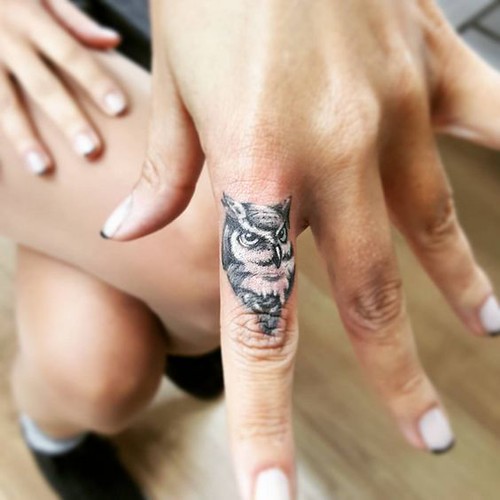
Finger tattoos are often considered some of the most painful tattoos you can get. This isn’t just a rumor—there are real anatomical reasons why tattooing on your fingers can be more uncomfortable than on other parts of the body. Thin skin, little cushioning, dense nerve endings, and bones close to the surface all combine to create a sharper, more intense sensation. Let’s break down why.
The skin on your fingers is very thin compared to areas like your thighs, upper arms, or back. It sits almost directly over bone, with little tissue to soften the tattoo needle’s impact. In other words, there’s not much padding between the needle and your nerves, which is why even small designs can feel surprisingly sharp.
Fat and muscle help absorb some of the pain in other areas of the body. Fingers, however, have almost none of this natural protection. That means every needle strike is felt more directly in the bones and nerves, intensifying the discomfort.
Your fingers are packed with nerves, making them extremely sensitive. While this sensitivity is great for tasks like picking up objects or feeling textures, it also means that tattooing can feel sharper and more intense. Even the subtle vibrations from the tattoo machine can be very noticeable.
Finally, because fingers are mostly bone with thin skin on top, the needle often hits very close to the bone. This creates a vibrating, stinging sensation that can feel deeper than typical tattoo pain, sometimes radiating through the entire finger.
For most people, it’s this combination of thin skin, lack of cushioning, sensitive nerves, and bones near the surface that makes finger tattoos feel sharper and more uncomfortable than tattoos on the back, arm, or thigh.
Pain is always subjective, and everyone experiences it differently, but people who have multiple tattoos often report that finger tattoos rank among the most uncomfortable. This is because the anatomy of the fingers combines thin skin, minimal cushioning, dense nerve endings, and proximity to bone—factors that amplify the sensation of the tattoo needle. To give some perspective, here’s a rough comparison of pain levels across common tattoo locations:
| Tattoo Location | Pain Level (1–10) | Notes |
|---|---|---|
| Thigh | 3–5 | This is a fleshier area with thicker skin and fewer nerves. The fat and muscle layers help absorb most of the needle’s impact, making tattoos here relatively more tolerable. |
| Upper Arm | 4–6 | Muscle in the upper arm cushions the needle slightly, so while there is some discomfort, it’s generally moderate and easier to manage. |
| Ribs | 8–10 | The ribs are notorious for painful tattoos. Thin skin and direct contact with bone make needle strikes intensely sharp, and the high density of nerves adds to the discomfort. |
| Fingers | 7–9 | Fingers are highly sensitive due to thin skin, almost no fat or muscle, and a dense concentration of nerve endings. Tattooing over knuckles or along the sides of fingers can make the pain feel even more pronounced. |
| Hands (excluding fingers) | 6–8 | While hands have slightly more flesh than fingers, they are still sensitive due to nerve density and frequent exposure. Tattoos here can sting and feel tender for days afterward. |
From this comparison, it’s clear that finger tattoos are among the more painful areas of the body, although they aren’t necessarily the absolute worst for everyone. Some people with higher pain tolerance may find them manageable, especially when the design is small and simple. For a detailed comparison, you can refer to the article on spine tattoo pain levels, which discusses how the spine’s anatomy contributes to its pain level during tattooing.

Getting a tattoo on your finger can be a bold and meaningful choice, but the level of pain varies depending on several factors. Understanding what influences finger tattoo pain can help you prepare mentally and physically for the session.
The size and intricacy of your tattoo play a major role in how much discomfort you’ll feel. Small, minimalist designs—like initials, tiny symbols, or simple line work—usually involve fewer needle passes and shorter sessions, which generally causes less pain. On the other hand, larger or more complex designs that include shading, color fills, or detailed patterns require multiple passes of the needle. This prolongs the session and increases the cumulative discomfort, making the tattooing experience more intense.
Not all areas of the finger are equally sensitive. The location of your tattoo on the finger can significantly impact how much it hurts:
The technique and experience of the tattoo artist can make a significant difference in pain levels. Skilled artists know how to work efficiently, use consistent needle depth, and avoid unnecessary trauma to the skin. Heavy-handed or inexperienced artists may apply too much pressure, go too deep, or make multiple passes unnecessarily, which increases discomfort and prolongs healing. Choosing a professional with experience in finger tattoos is crucial for minimizing pain.
Pain is highly subjective, and each individual’s experience varies. Factors that influence personal pain tolerance include:
Finger tattoos are known for being more painful than tattoos in other areas, but there are practical strategies you can use to make the experience more manageable. With the right preparation and mindset, you can reduce discomfort and stay more relaxed throughout the session.
Your body copes with pain better when it’s properly nourished. Make sure to drink plenty of water in the hours leading up to your tattoo session, and eat a balanced meal beforehand. Skipping meals or being dehydrated can make pain feel sharper and may even make you feel lightheaded during the session.
While it might be tempting to have a drink beforehand, alcohol can thin your blood, which increases bleeding during tattooing and may make the process more uncomfortable. Similarly, caffeine can heighten sensitivity and make your nerves more reactive, amplifying the sensation of the needle. It’s best to skip both for a smoother experience.
Don’t be afraid to ask your tattoo artist for a short pause if you’re feeling overwhelmed. Even a few minutes to stretch, shake out your hand, or take a deep breath can help reset your body and reduce pain. Most professional tattoo artists understand that finger tattoos can be intense and will accommodate short breaks.
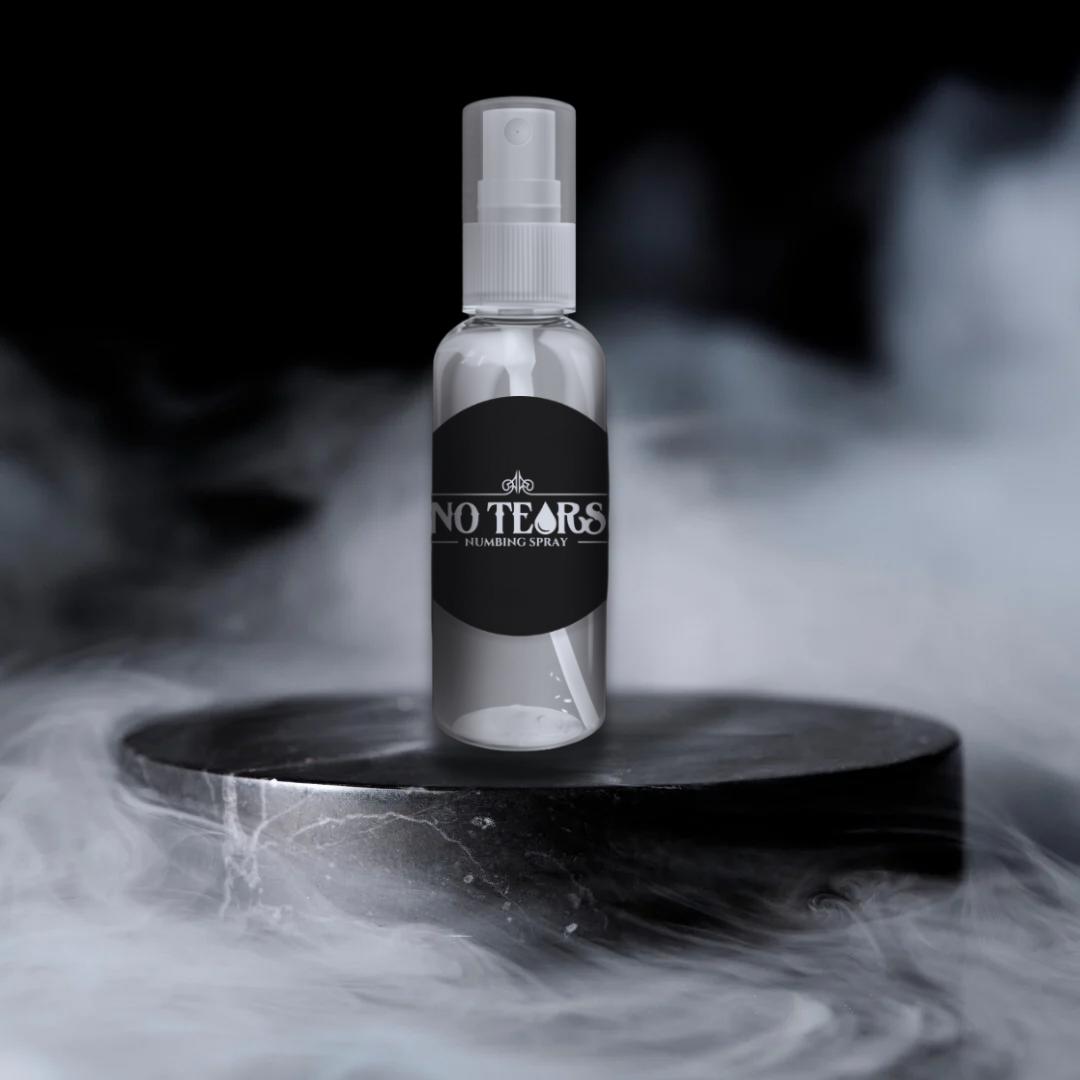
One of the most effective ways to manage pain during a finger tattoo session is by using numbing products. These topical solutions temporarily desensitize the skin, allowing you to tolerate the needle with significantly less discomfort. Two popular options trusted by tattoo enthusiasts are No Tears Numbing Cream and No Tears Mid-Procedure Tattoo Spray.
No Tears Numbing Cream is designed to provide long-lasting pain relief, making it ideal for extended or intricate tattoo sessions. This cream absorbs quickly into the skin and works on all skin types. By numbing the area before the tattoo begins it helps you focus on the tattooing process rather than the sensation of the needle. Many users report that it allows them to sit through longer sessions with less discomfort, which is especially helpful for detailed finger tattoos that require multiple passes and shading. Its gentle formula ensures it won’t irritate sensitive skin while providing effective numbing for hours.
Sometimes, pain can intensify during a session, particularly in sensitive areas like the fingers. That’s where No Tears Mid-Procedure Tattoo Spray comes in. Unlike traditional creams applied beforehand, this fast-acting spray is designed for use mid-session. It takes effect in as little as 45 seconds, helping to reduce pain and swelling while the skin is already being worked on. Simply spray a small amount on the tattooed area, wait 3–5 minutes, and continue comfortably. This product is ideal for longer sessions, allowing you to complete your tattoo without needing breaks or rescheduling due to pain.
The pain doesn’t always end when your tattoo session is over. Finger tattoos, in particular, require careful attention during the healing process due to the unique structure and constant use of your hands. Here’s what you can expect:
It’s normal for your fingers to feel sore, tender, or slightly swollen for several days after getting tattooed. The skin and underlying tissues are healing from multiple needle punctures, so mild discomfort is to be expected. Keeping the area clean and following your artist’s aftercare instructions can help reduce swelling and promote faster healing.
Fingers are constantly exposed to friction, water, and sunlight, all of which can cause the tattoo ink to fade more quickly than in other areas. This may necessitate touch-ups to maintain the design’s clarity and vibrancy. While touch-ups are typically minor, they can bring back some of the temporary discomfort you experienced during the initial session.
Proper aftercare is essential to prevent infection, which can not only increase pain but also delay healing and potentially affect the appearance of your tattoo. Keep your fingers clean, avoid excessive soaking or scrubbing, and follow your tattoo artist’s guidance on ointments or protective coverings. Signs of infection, such as redness, pus, or excessive pain, should be addressed promptly by a medical professional.
Deciding whether to get a finger tattoo involves weighing several factors, including pain, visibility, and long-term maintenance. Finger tattoos are bold, highly visible, and can be deeply personal, but they are also among the more sensitive areas to tattoo.
If you have a high pain tolerance and want a unique, eye-catching design, fingers can be a great choice. Small symbols, initials, or minimalist line work often work best, as they require shorter sessions and are easier to maintain.
However, if you are concerned about pain or frequent touch-ups, you might want to consider starting with tattoos in less sensitive areas, such as the upper arm, thigh, or back. Fingers are exposed to daily friction, washing, and sunlight, which can cause ink to fade faster than in other areas. This means maintenance and touch-ups may be necessary to keep your tattoo looking sharp.
With proper preparation, realistic expectations, and a small, simple design, many people find the pain of a finger tattoo manageable. When approached thoughtfully, the final result can be both striking and meaningful, making the experience worthwhile.