Inner arm tattoos can be painful, but the level of discomfort varies depending on the person and the exact placement. The inner arm has thinner skin and more nerve endings, making it more sensitive than some other areas, though many find the pain moderate and manageable. The size and complexity of the tattoo, as well as individual pain tolerance, also play a big role in how it feels. For comparison, you can read about how bad is foot tattoo.
Despite the potential discomfort, inner arm tattoos are incredibly popular because the area allows for detailed designs and can be easily concealed or showcased. This article will explore the causes of pain in this area, compare pain levels to other parts of the body, examine factors that influence discomfort, offer tips for managing pain during the session, and guide you through the healing process to ensure a smooth recovery.
Why Inner Arm Tattoos Can Be Painful?
Inner arm tattoos are often more sensitive than tattoos on other parts of the body due to several anatomical factors. The skin in this area is thinner, meaning there is less cushioning between the tattoo needle and the underlying tissues. Additionally, the inner arm is packed with nerve endings, which makes it more sensitive to pain. The proximity of muscles and bones also plays a role, as areas with less muscle or fat padding can feel sharper discomfort during tattooing.
Key reasons for pain in inner arm tattoos include:
Thin Skin: The inner arm has less subcutaneous fat compared to areas like the outer arm, providing minimal cushioning from the needle’s pressure.
High Nerve Density: This area contains many sensory nerves, especially near the inner elbow and armpit, making sensations more intense.
Muscle and Bone Proximity: Pain varies along the inner arm depending on how close the needle is to muscles or bone structures.
Specific Sensitive Spots:
Armpit: Extremely sensitive due to soft tissue and high nerve concentration.
Near Wrist: Skin is thin and tendons are close to the surface, increasing sensitivity.
Overall, the combination of thin skin, dense nerves, and variable muscle/bone padding makes inner arm tattoos generally more sensitive than outer arm tattoos, which have thicker skin and fewer nerves. While the discomfort is often tolerable, it’s important to be prepared and choose a design size and placement that match your pain tolerance.
Comparing Inner Arm Tattoo Pain to Other Areas
Tattoo pain is highly subjective and varies significantly depending on the body location. While some areas have thicker skin and more padding, others have thin skin over bones or many nerve endings, making them more sensitive. Understanding how the inner arm compares to other common tattoo spots can help you prepare mentally and physically for your session.
Thicker skin, more muscle/fat padding; generally less painful than the inner arm.
Outer Arm
3–5
Muscle padding helps reduce discomfort, but the spine and shoulder blades are more painful.
Thigh
3–6
Pain varies; the outer thigh is relatively mild, and the inner thigh can be more sensitive.
Upper Back
4–6
Muscle padding helps reduce discomfort, but spine and shoulder blades are more painful.
Ribs
8–10
Very thin skin over bone; considered one of the most painful tattoo areas.
Fingers
7–9
Minimal padding and many nerve endings; tattoos can feel sharp and intense.
It’s important to remember that pain is highly personal. Two people can get the same tattoo in the same spot and have completely different experiences. Factors such as your overall pain tolerance, stress levels, fatigue, and even hydration can influence how you perceive the needle.
While the inner arm generally falls in the moderate-to-high pain range, many people find it more tolerable than ribs or fingers, making it a popular choice for detailed designs without pushing discomfort to extreme levels.
Inner Arm Tattoo Pain: Key Factors That Affect Discomfort and How to Manage It
The level of discomfort experienced during an inner arm tattoo is not just about the location—it also depends on several other factors. Understanding these can help you better prepare for your session and manage your expectations.
1. Size and Complexity of the Design
Minimalist Designs: Small, simple tattoos with fewer lines and shading generally cause less discomfort and can often be completed quickly.
Large, Detailed Designs: Extensive tattoos with heavy shading, intricate details, or multiple colors take longer to complete, which can increase cumulative pain. More needle passes over sensitive areas, like the inner elbow or armpit, can amplify discomfort.
2. Placement on the Inner Arm
Inner Elbow: One of the most sensitive spots due to thin skin and tendons close to the surface; pain is usually sharp and stinging.
Bicep: Thicker skin and more muscle padding make this area more tolerable, often described as mild-to-moderate pain.
Inner Wrist: Skin is thin and bones/tendons are close to the surface, causing localized discomfort that can feel sharper than the bicep.
3. Tattooing Technique and Artist Skill
Experienced Artists: Skilled artists often have smoother needlework, better control, and efficient shading techniques, which can reduce unnecessary irritation.
Inexperienced Artists: Hesitation, inconsistent needle depth, or excessive passes can increase discomfort and prolong the session.
4. Personal Pain Tolerance
Everyone’s body reacts differently to tattooing. Factors such as stress, fatigue, hydration, and overall health influence your perception of pain.
Mental preparation and a calm mindset can make a surprising difference. Being tense or anxious can heighten sensitivity.
For perspective on how pain varies in other sensitive areas, you might find this guide on neck tattoo pain levels helpful, since neck tattoos are also high on the sensitivity scale.
Best Inner Arm Tattoo Ideas and Latest Design Trends for 2025
Inner arm tattoos continue to grow in popularity, not only because the placement offers a mix of discretion and visibility, but also because the inner arm is one of the most versatile canvases for tattoo art. In 2025, tattoo trends are leaning toward designs that blend personal meaning with aesthetic elegance, making the inner arm a top choice for both minimalist tattoos and large statement pieces. Below are some of the latest design trends and ideas that are dominating the tattoo world.
1. Minimalist and Fine Line Tattoos
Minimalist tattoos remain a top trend because of their elegance and simplicity. These designs use thin, delicate lines that give a subtle but stylish look. Popular minimalist inner arm designs include:
Tiny symbols (hearts, stars, arrows, moons).
Small abstract shapes or line art.
Simple initials or numbers with personal significance. Fine line tattoos are also less intense in terms of pain compared to bold, shaded designs, making them appealing for those getting their first inner arm piece.
2. Script and Quote Tattoos
The inner arm is perfect for script tattoos because it provides a long, narrow space for text. Many people choose this area for meaningful words, dates, or phrases that they can keep private or reveal selectively. Current trends include:
Inspirational quotes in cursive or elegant fonts.
Roman numerals to mark significant dates.
Names of loved ones, children, or spiritual references. This design choice is highly personal and allows you to carry words of meaning wherever you go.
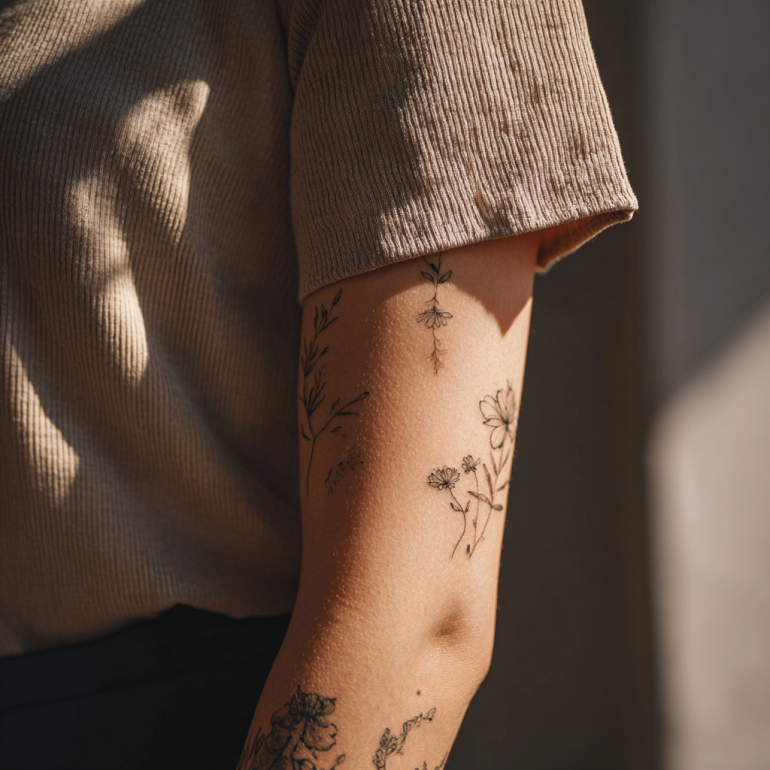
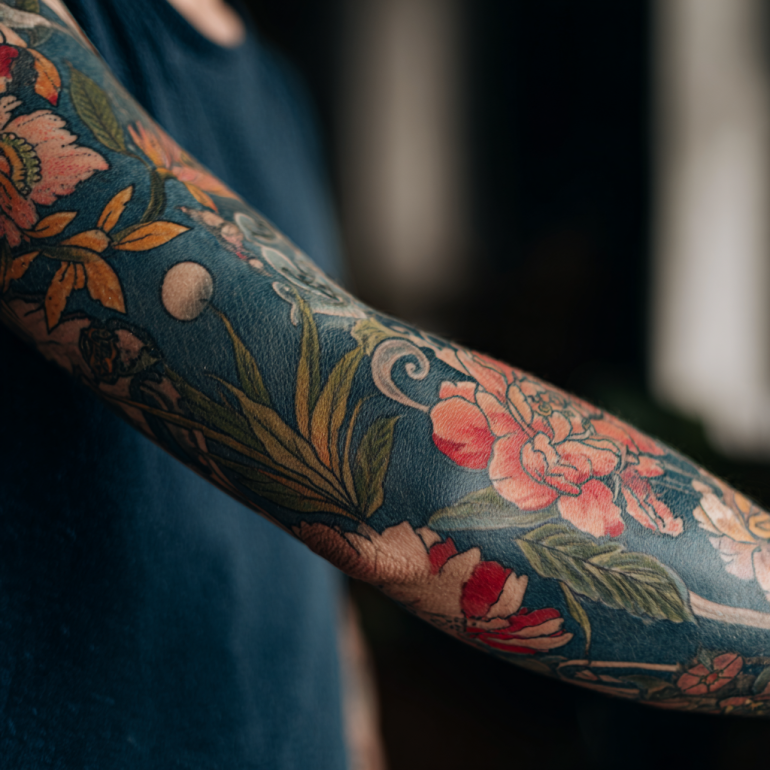
3. Floral and Botanical Designs
Floral tattoos have always been timeless, but in 2025, they’re becoming more detailed and creative on the inner arm. Artists are now blending realism and fine line work for a sophisticated look. Popular options include:
Roses and lilies for beauty and resilience.
Vines and leaves that flow naturally along the arm’s contours.
Nature-inspired pieces like sunflowers, lavender, or wildflowers. Botanical tattoos are popular because they can be adapted to both small, minimalist pieces or large, flowing designs that cover the entire inner arm.
4. Geometric and Abstract Tattoos
Geometric designs and abstract art continue to gain popularity for their modern, edgy appeal. These tattoos often feature:
Mandalas, sacred geometry, or symmetrical linework.
Abstract shapes that wrap around the inner arm.
Dotwork and shading techniques that add dimension. The inner arm’s smooth canvas allows these designs to flow seamlessly, making them a favorite for people who want something bold but artistic.
5. Blackwork and Bold Tattoos
For those who prefer statement tattoos, blackwork is trending in 2025. This style uses solid black ink, bold outlines, and intricate contrasts. Inner arm blackwork tattoos often include:
Tribal-inspired patterns.
Bold animal silhouettes.
Heavy shading that creates striking visuals. Though they may be more painful due to heavy ink saturation, the result is a dramatic and eye-catching tattoo.
Why the Inner Arm Is Perfect for These Designs
Versatility: Works for both subtle tattoos and larger, more detailed pieces.
Discretion: Tattoos can be hidden easily for work or shown off when you choose.
Natural Flow: The elongated canvas makes it perfect for scripts, vines, or designs that flow with the arm’s natural shape.
Timeless Appeal: Whether minimalistic or bold, inner arm tattoos rarely go out of style.
How to Manage Pain During an Inner Arm Tattoo: Tips, Numbing Options, and Relaxation Techniques
Getting an inner arm tattoo can be moderately painful due to the area’s thin skin, high nerve density, and sensitive spots like the inner elbow and armpit. However, with proper preparation, pain management strategies, and a calm mindset, you can make the experience more comfortable. Here’s a complete guide to managing inner arm tattoo pain effectively.
1. Preparation Tips
Proper preparation before your tattoo session can significantly reduce discomfort:
Hydrate: Drinking plenty of water helps your skin stay healthy and supple, making it easier for the needle to glide.
Eat Well: Having a balanced meal before your session keeps your blood sugar stable and reduces fatigue.
Avoid Alcohol and Caffeine: Both can thin your blood or increase sensitivity, leading to more discomfort and potential bleeding during tattooing.
2. Take Short Breaks During the Session
Long tattoo sessions can be exhausting and increase perceived pain.
Don’t hesitate to ask your artist for short pauses, especially during intricate or heavily shaded areas.
Stretching your arm gently and shaking it out can help reduce muscle tension and fatigue.
3. Numbing Options
Using topical numbing creams or sprays can help minimize pain in sensitive areas:
Apply according to the product instructions, usually 30–60 minutes before your session.
Always discuss with your tattoo artist before using numbing agents, as some inks and techniques may react differently with topical anesthetics.
4. Relaxation Techniques
Your mindset plays a huge role in how you perceive pain:
Deep Breathing: Slow, steady breaths help relax muscles and reduce tension.
Stay Calm and Positive: Anxiety can heighten pain perception. Focusing on positive thoughts or even listening to music can help.
Distraction Techniques: Some people use guided meditation, podcasts, or casual conversation to keep their mind off the needle.
By combining preparation, breaks, numbing options, and relaxation techniques, you can make your inner arm tattoo session far more manageable. Proper planning not only reduces pain but also helps ensure better tattoo healing and a more enjoyable experience overall.