
Let’s be honest — yes, ankle tattoos do hurt. The ankle tattoo pain is considered higher than many other areas because the ankle has very little muscle or fat cushioning, and the skin sits directly over bone and tendons. When the tattoo needle hits this area, you feel the vibrations and pressure much more sharply than in fleshier parts of the body. Many people describe the pain as a stinging or burning sensation that can become intense, especially when the needle moves close to the ankle bone. Understanding this common experience can help you prepare mentally and physically for your session.
Despite the discomfort, ankle tattoos remain incredibly popular. Their small, elegant designs make them a favorite for people who want something meaningful yet discreet. The pain is short-lived and bearable for most, especially for tattoos that don’t take long to complete. Plus, there are ways to make the experience easier — from breathing techniques to numbing creams and good aftercare.
In this guide, we’ll break down how ankle tattoos rank on the pain scale, explore tips to prepare for your session, and share effective pain relief strategies to help you stay comfortable throughout. And if you’re curious how this compares to other placements, check out this detailed post on shoulder tattoo pain levels to see how the experience differs across body areas.
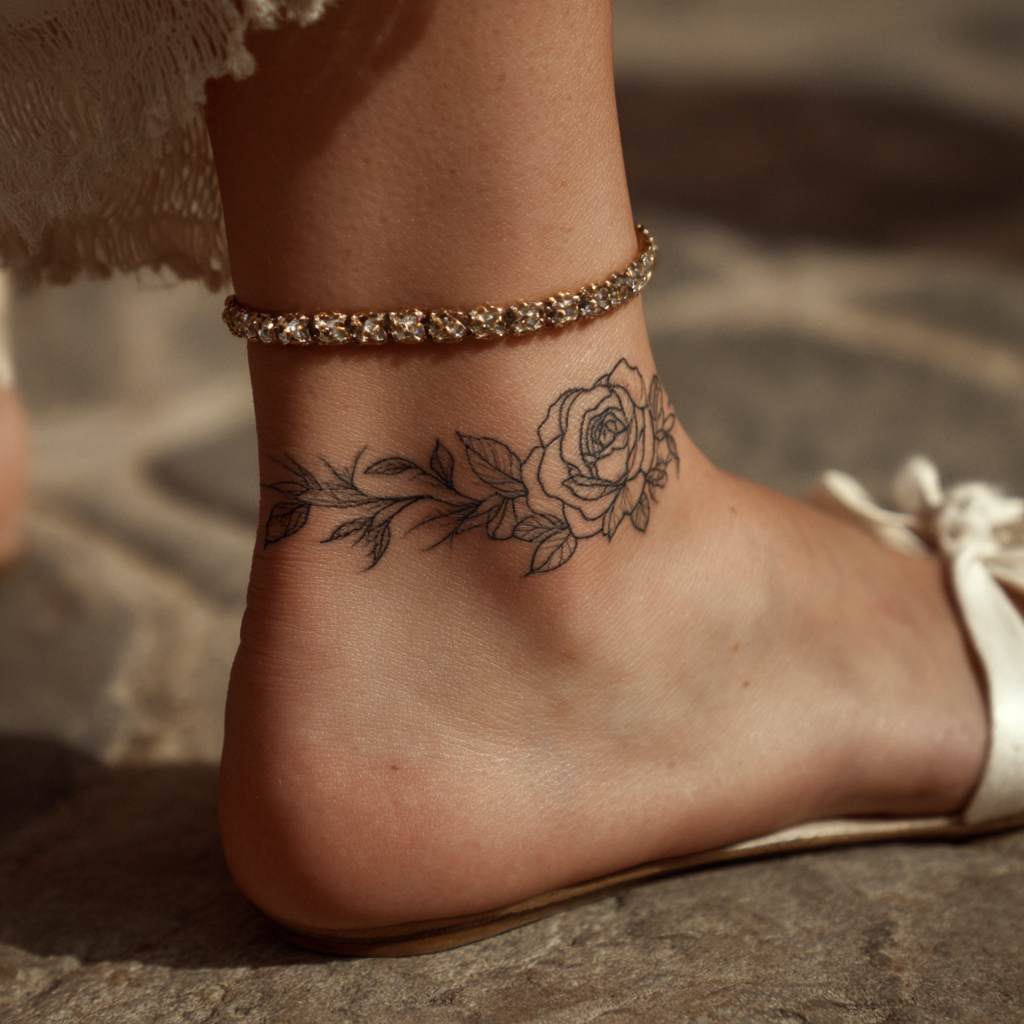
The ankle may look like a small and simple area to tattoo, but it’s one of the most sensitive spots on the body. The reason lies in its anatomy — the skin is very thin, and there’s almost no fat or muscle between the surface and the bone. This means that every needle movement is felt more sharply. The vibrations travel directly through the bone and tendons, creating a stinging or burning sensation that can be uncomfortable for even experienced tattoo lovers.
In contrast, areas like the thigh, arm, or back are more forgiving. These regions have thicker skin and more muscle padding, which helps absorb the impact of the needle. The difference is clear: while a thigh tattoo might feel like a dull scratching sensation, an ankle tattoo often feels much sharper and more concentrated.
Other factors like individual pain tolerance, hydration, sleep, and the tattoo artist’s technique also influence how painful your session feels. But generally, the more bone and less muscle in an area, the higher the discomfort.
| Body Area | Skin Thickness & Cushioning | Bone Exposure | Pain Level (1–10) | Description of Sensation |
|---|---|---|---|---|
| Ankle | Very thin skin, minimal fat | High | 8–9 | Sharp, stinging, vibrating pain near bone |
| Foot (top) | Thin skin, close to tendons | High | 8–9 | Tingling or burning near tendons |
| Thigh | Thick skin, lots of muscle | Low | 3–4 | Dull scratching, mild discomfort |
| Upper Arm | Moderate skin and fat layer | Low | 2–4 | Gentle pressure, easy to tolerate |
| Back (upper/lower) | Thick skin, well-padded areas | Moderate | 4–6 | Steady buzzing or mild sting |
| Ribs | Very thin skin, bone close to surface | High | 9–10 | Sharp, intense pain, hard to sit through |
| Wrist | Thin skin, visible veins | High | 7–8 | Pinching or burning sensation |
Key Takeaways:
When it comes to tattoos, pain is part of the process — but just how much it hurts depends on the spot, design, and your individual pain threshold. The ankle, in particular, ranks higher on the discomfort scale due to its thin skin, lack of cushioning, and proximity to bone and tendons. Understanding the ankle tattoo pain scale can help you prepare mentally and physically for your session, especially if this is your first tattoo.
To make things simple, let’s break it down using a 1–10 pain scale, where 1 represents minimal discomfort and 10 is the most intense pain most people experience during tattooing.

Getting an ankle tattoo can be thrilling, but it’s no secret that this area tends to hurt more than others due to its thin skin and closeness to bone. The good news? There are plenty of proven ways to reduce discomfort and make your tattoo experience smoother and more enjoyable. Below are practical, expert-approved strategies — from proper preparation to using a trusted pain relief numbing cream — to help you manage ankle tattoo pain effectively.
If you’re worried about ankle tattoo pain, one of the most effective solutions is to apply a pain relief numbing cream before your appointment. The ankle area is packed with nerve endings and has minimal cushioning, so using a topical anesthetic can make a huge difference.
No Tears Numbing Cream – Ultimate Comfort for Tattoo Sessions
Achieve a pain-free tattoo experience with No Tears Tattoo Numbing Cream. Designed to minimize discomfort, this advanced formula offers deep and lasting numbing, making it perfect for long or detailed tattoo sessions. Whether you’re a first-timer nervous about the pain or a seasoned tattoo collector preparing for another piece, this cream helps you endure extended sessions comfortably.
It absorbs quickly into the skin, providing relief that can last for hours, allowing you to focus on the art rather than the sting. Formulated for all skin types, No Tears Numbing Cream works seamlessly without interfering with tattoo ink or healing. It’s a go-to choice among tattoo enthusiasts who want a smoother, calmer experience from start to finish.
With No Tears Numbing Cream, you can confidently sit through your ankle tattoo session knowing you’re getting maximum comfort and protection from pain.
Hydrated skin is healthier, more elastic, and easier to tattoo. Drinking plenty of water in the days before your appointment can make your skin more resilient, reducing irritation and improving healing.
A well-rested and nourished body can handle pain much better. Skipping meals or arriving tired can increase your sensitivity to discomfort.
Deep, steady breathing can help calm nerves and reduce tension. The more relaxed you are, the less intense the pain feels.
Large or intricate ankle tattoos can be divided into multiple shorter sessions. This approach prevents fatigue and helps you manage pain better.
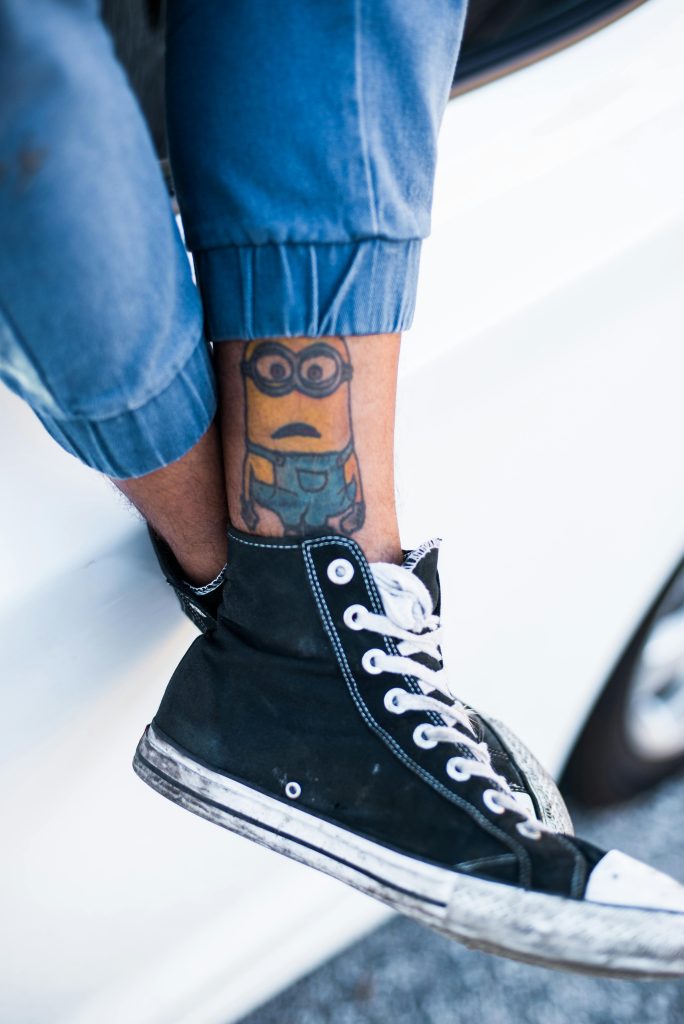
Getting through the tattoo session is just one part of the process — the real healing begins afterward. Ankle tattoos, in particular, tend to experience more post-session discomfort due to their location. Because the ankle has thin skin and less muscle cushioning, it’s normal to feel soreness, swelling, and tenderness for a few days after your tattoo. Proper aftercare is essential to reduce pain, speed up recovery, and preserve your tattoo’s color and clarity.
Immediately after your session, you might notice redness or minor swelling. This is completely normal and typically subsides within a few days. However, following a good aftercare routine can make a huge difference in your comfort level and healing time. Keeping the area clean, moisturized, and protected ensures your ankle tattoo heals beautifully and stays vibrant for years to come.
In the days following your appointment, avoid tight shoes or socks that could rub against the tattooed area. Opt for loose, breathable clothing and try to keep the area uncovered when possible. Also, refrain from soaking your tattoo in water — skip pools, hot tubs, or long baths during the initial healing phase.