
If you’re wondering, do chest tattoos hurt? — The short answer is yes, chest tattoos can be uncomfortable, but the intensity varies depending on placement, anatomy, and personal pain tolerance. Areas closer to the bone, like the sternum or collarbones, tend to be sharper and more intense, while fleshier regions over the pectoral muscles are generally less painful. If you want a comparison with other sensitive areas, check out our guide on how bad stomach tattoos hurt to understand how pain differs across the torso.
The chest has grown in popularity among both men and women due to its large canvas, visibility, and potential for symbolic designs. It also allows for seamless integration with arm, shoulder, or sleeve tattoos, creating expansive and connected body art. In this article, we’ll explore pain levels by chest area, factors influencing discomfort, tips to minimize pain, aftercare strategies, and real experiences from people who’ve gotten chest tattoos, so you know exactly what to expect before your session.
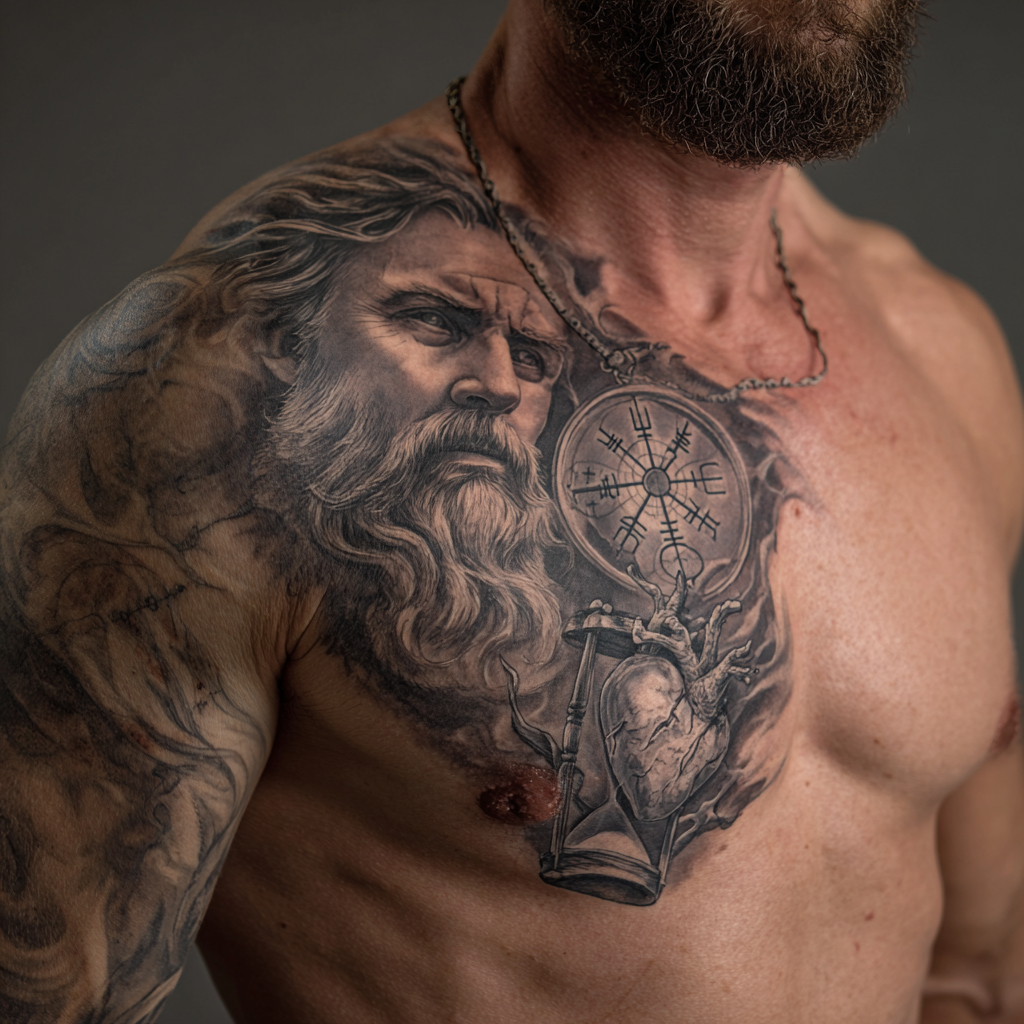
Knowing the anatomy of the chest is essential for understanding why certain areas hurt more than others during a tattoo session. The chest is a complex region with varying skin thickness, muscle coverage, and nerve distribution, all of which influence tattoo pain. By breaking down the chest into specific zones, you can set realistic expectations and choose placement that aligns with your pain tolerance.
The chest is rich in nerve endings, which explains why some areas feel more intense than others. Regions near bone and with thinner skin, like the sternum and ribs, have higher nerve concentration, making the needle sensation more pronounced. In contrast, areas with thicker muscle padding, such as the pectorals, distribute pressure more evenly and reduce the sharpness of pain.
The combination of muscle vs. bone proximity and skin thickness largely determines your experience:
Here’s a simple visualization of expected discomfort:
Understanding pain levels across different parts of the chest can help you choose your tattoo placement and prepare for the session. While pain is subjective and varies from person to person, certain areas are consistently reported as more sensitive due to skin thickness, proximity to bone, and nerve distribution. Muscle density also plays a crucial role; areas with thicker pectoral muscles tend to be more tolerable, while thin-skinned regions near bone feel sharper and more intense.
Here’s a breakdown of chest areas with typical pain levels:
| Chest Area | Pain Level (1–10) | Sensation Description |
|---|---|---|
| Upper pectoral | 4–5 | Mild to moderate, generally tolerable |
| Sides/ribs | 7–9 | Sharp, stinging, prolonged discomfort |
| Collarbone | 8–10 | Very sharp, extremely sensitive |
| Sides / ribs | 8–10 | Sternum/center chest |
| Lower chest | 5–6 | High intensity, vibrations from the bone |
The upper pectoral region is cushioned by thick muscle, which helps reduce the intensity of pain, making it a popular choice for first-time tattoo recipients. In contrast, the sternum and collarbone areas are extremely sensitive due to minimal padding and thin skin directly over bone. Many tattoo enthusiasts describe these zones as sharp, stinging, and more taxing during long sessions.
The sides of the chest and ribs are widely recognized as the most painful areas for chest tattoos. Thin skin, minimal muscle, and proximity to the ribcage create a sensation that can feel like vibrations from bone, similar to what some people experience with rib tattoos. For a detailed comparison of rib pain, check out our guide on rib cage tattoo pain levels.
The lower chest offers slightly more comfort due to some muscle coverage and a wider surface area. While still moderately painful, it is easier to tolerate than the center chest or collarbone.
Muscle density significantly affects pain perception. People with more developed pectoral muscles often report less intense pain, while those with thinner or less muscular chests may feel sharper sensations even in areas like the upper chest. Additionally, session length, tattoo size, and complexity can amplify discomfort. Larger designs or heavy shading require longer exposure, which can increase soreness across all areas of the chest.

Getting a chest tattoo can be an exciting way to express yourself, but understanding the factors that influence pain can help you prepare for a more comfortable session. Pain during tattooing isn’t just about the needle—it’s affected by a combination of anatomy, design choices, skin type, and personal circumstances. By knowing what to expect, you can take steps to reduce discomfort and make your tattoo experience smoother.
Where your tattoo is located plays a major role in pain levels:
The larger the tattoo, the longer the session, which can naturally increase discomfort. Complex designs with heavy shading, detailed coloring, or intricate line work require more time under the needle. Longer exposure leads to prolonged tenderness and soreness in the tattooed area.
Your tattoo style and the artist’s approach can affect pain perception:
Skin characteristics influence how pain is experienced:
Your body’s current state also affects tattoo discomfort:
Studies suggest that women may experience tattoo pain more acutely due to higher nerve density in certain areas. Additionally, people who have previous tattoos often report that experienced tattooed skin feels less sensitive compared to first-timers, likely due to familiarity with the sensation and slight desensitization of the area.
Chest tattoos can be a bold and meaningful choice, but the pain involved may be intimidating, especially in sensitive areas like the sternum, ribs, or collarbone. Fortunately, there are practical strategies to minimize discomfort, and one of the most effective tools for managing pain is a professional numbing cream.
One of the most trusted options for chest tattoos is No Tears Pain Relief TKTX Numbing Cream. This lidocaine-based cream is specifically designed for tattoo sessions, providing effective pain relief for long or complex designs. Here’s why it’s highly recommended:
To use TKTX effectively, apply a thin layer to the tattoo area 30–60 minutes before your session. Covering the cream with plastic wrap can help it absorb better and maintain a consistent numbing effect. This allows you to enjoy the session more comfortably and helps prevent excessive flinching or discomfort, which can affect tattoo precision.
While numbing cream is highly effective, combining it with other practical strategies can maximize comfort during your chest tattoo session:
By combining TKTX numbing cream with these practical strategies, you can significantly reduce chest tattoo pain and focus on enjoying your new artwork. Pain management not only makes the session more comfortable but also allows the tattoo artist to work more efficiently, ensuring clean lines, smooth shading, and optimal results.
Even after your chest tattoo session ends, it’s normal to experience some discomfort and tenderness. The skin in the chest area can remain sore, tight, or mildly swollen for the first few days. Understanding what is normal versus abnormal pain is essential for ensuring proper healing and avoiding complications.
If you notice any abnormal symptoms, contact your tattoo artist or a medical professional immediately.
The chest is an active area that moves constantly when you breathe, stretch, or sleep, so it’s common to feel mild discomfort during the healing process. Sleeping positions, tight clothing, or friction from straps can irritate the tattoo and prolong tenderness. Being mindful of these movements can reduce additional pain and prevent complications.
Proper aftercare is crucial for both healing and maintaining the quality of your tattoo. Follow these guidelines:
Understanding the typical healing stages helps you anticipate discomfort:
By following these aftercare practices, you can minimize healing pain, prevent infection, and ensure your chest tattoo looks vibrant for years to come. Proper care is especially important in high-movement areas like the chest, where discomfort can persist if the skin isn’t treated gently.