
You’ve finally decided to get your first tattoo — congratulations! Whether it’s a small wrist symbol, a meaningful quote on your ribs, or a bold design on your shoulder, tattoos are powerful forms of self-expression. But if you’ve found yourself googling “What does a tattoo feel like?” or “How bad is the pain?”, you’re not alone.
For most first-timers, the idea of tattoo pain is the number one worry. That buzzing needle, the pressure on your skin — it sounds intense, right? The truth is: tattoo pain is very real, but also very manageable. And here’s the good news — you don’t have to go through it unprepared.
In this comprehensive guide, we’ll break down what tattoo pain feels like (it’s not the same for everyone), which body parts hurt the most, and how to prepare yourself mentally and physically. From understanding pain tolerance to choosing the right numbing solution, we’ve got you covered.
And if you’re already wondering how to reduce or even eliminate the pain, there’s one name to remember: No Tears Numbing Cream. Their tattoo numbing creams and topical sprays are designed specifically to help clients like you feel calm, confident, and pain-free during their sessions. Whether you’re going for a 15-minute minimalist design or a multi-hour back piece, this Spray can help make the process more comfortable and more enjoyable.
So, before you walk into that studio, let’s demystify tattoo pain and equip you with everything you need to get through your first tattoo like a pro — pain included.
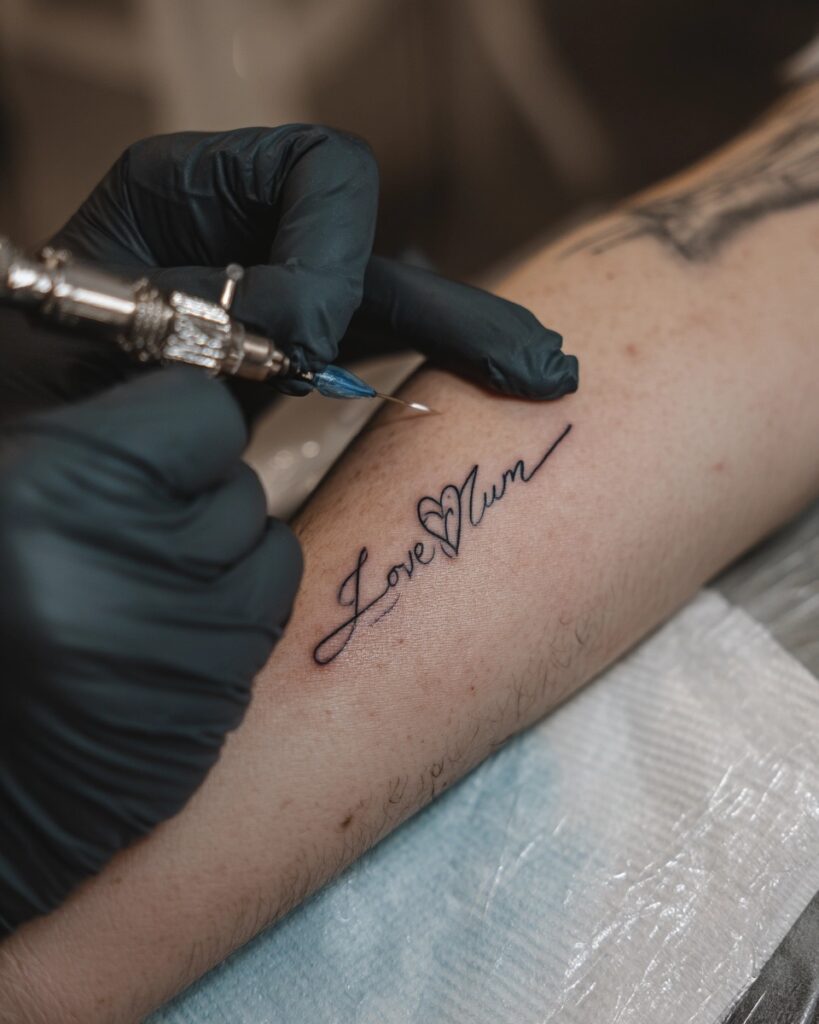
Tattoo pain is one of the biggest concerns for anyone getting inked for the first time — and understandably so. The sensation is unique and unlike anything else, which makes it difficult to describe. But while everyone experiences it differently based on their personal pain threshold, skin type, and placement area, there are some general sensations and patterns most people report.
Let’s break down what you can expect when that machine first touches skin.
This is most common during the outlining phase. The sensation can feel like a cat scratch or a fine razor scraping your skin. The pain is concentrated and sharp but typically fades in intensity as the session progresses.
As the artist moves on to shading or color filling, the skin becomes more sensitive. The pain transforms into a dull, hot sensation — more like a sunburn or a heated abrasion. It can feel warm and achy, especially on larger areas.
In areas with more nerve endings (like the inner arm, ribs, or fingers), tattooing can feel like an intense tingling, similar to a pins-and-needles effect but deeper and more focused. This sensation is common throughout longer sessions.
This is a sharper, more acute pain that some compare to multiple bee stings in rapid succession. It’s most likely to occur on thinner or more bony parts of the body, like the feet, hands, or collarbones.
Your experience may vary based on the tattoo machine used:
Most professional artists use both types depending on the phase and desired effect.
Tattooing typically involves three stages, and each feels different:
Tattoo pain usually shifts throughout the session:
For a deeper look at tattoo pain in sensitive spots, especially hands, check out this guide:
How Bad Is Hand Tattoo Pain? Tips, Pain Scale & Relief Solutions
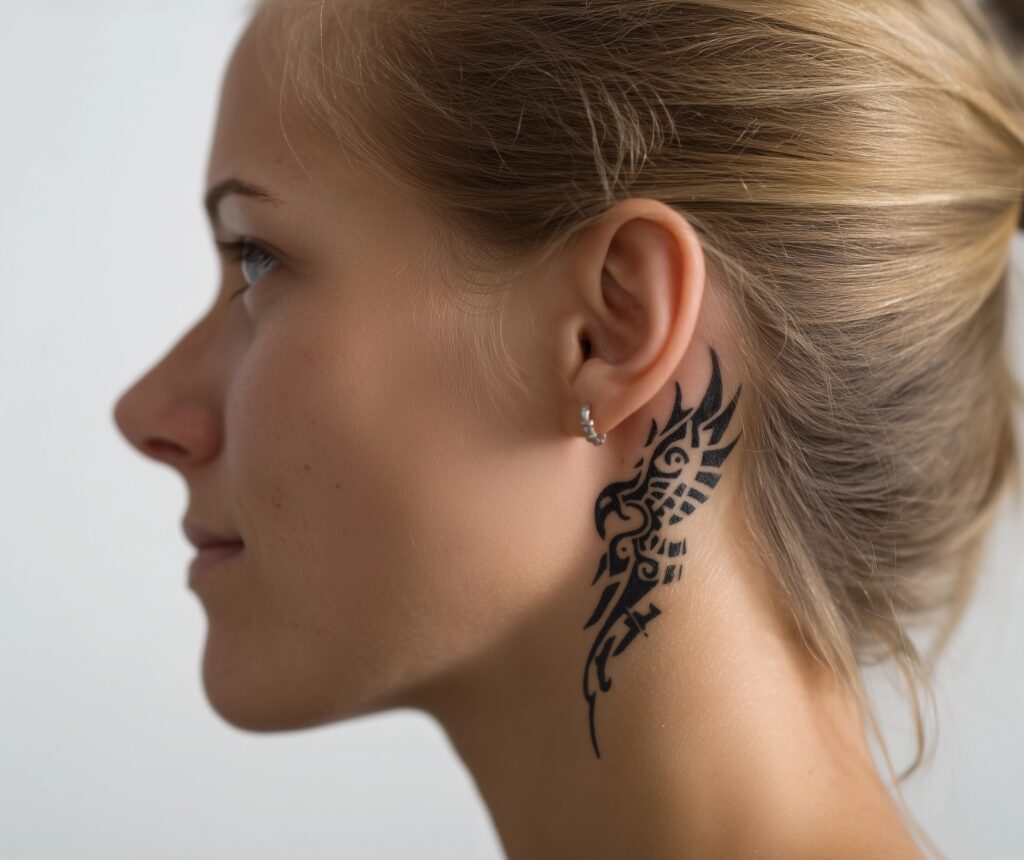
When it comes to tattoo pain, location matters more than anything else. Your body isn’t equally sensitive everywhere, so some spots will hurt far less, while others can feel downright brutal. Understanding the pain levels associated with different areas will help you prepare and choose wisely for your first tattoo.
Pain is subjective, but tattoo veterans and artists generally agree on a rough pain scale for different body parts. Here’s a breakdown of typical pain levels from low to high:
These areas have more flesh and muscle cushioning, fewer nerve endings, and thicker skin, making them ideal for beginners.
These locations have thinner skin or sit near bones or nerve clusters. Pain can vary depending on your tolerance and session length.
These are the most painful areas to tattoo due to thin skin, proximity to bones, and dense nerve endings. Expect sharp, intense, and lingering sensations.
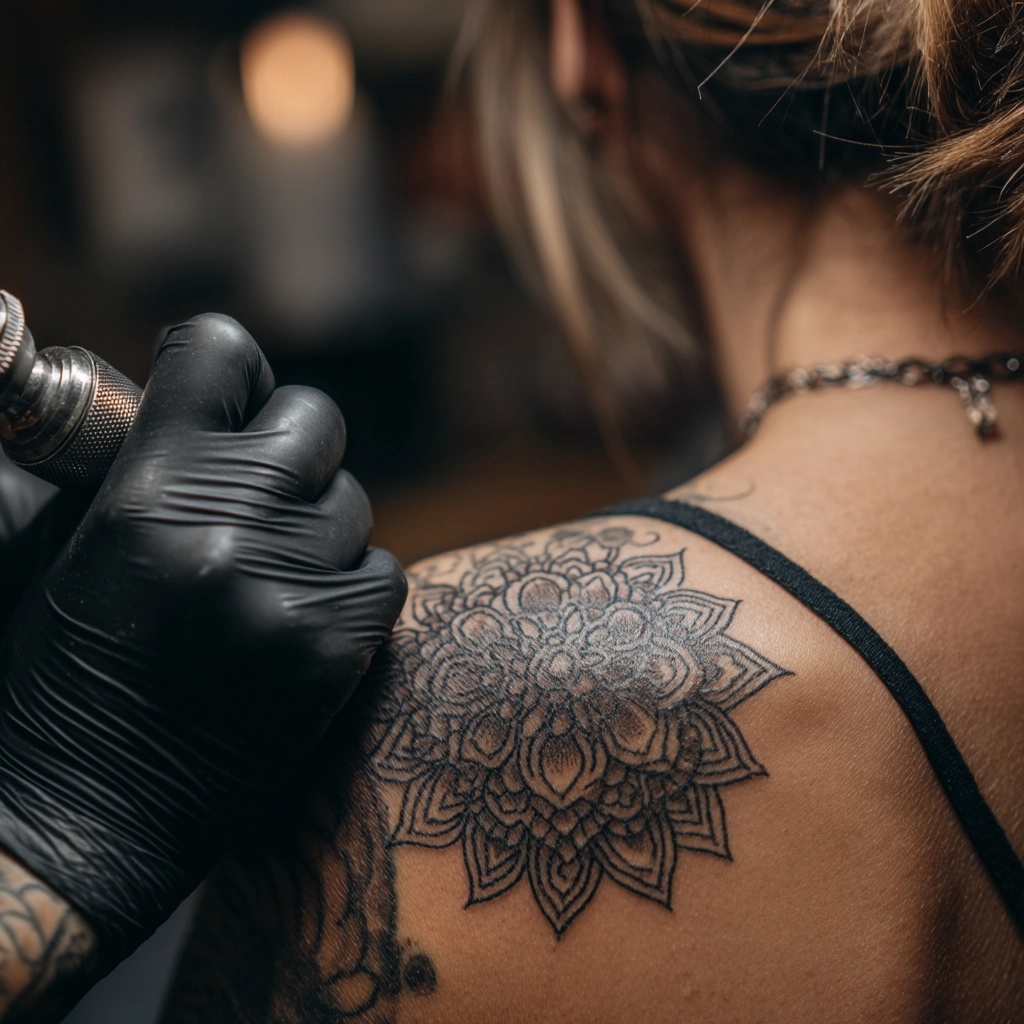
Preparing both mentally and physically can make your first tattoo experience smoother and less painful. Here’s a practical guide to help you get ready.
Getting a tattoo is an exciting journey, but the pain involved can sometimes be intimidating. Fortunately, advances in topical anesthetics have made it easier than ever to reduce discomfort during tattoo sessions. Using numbing creams and sprays is a proven way to make your tattoo experience more comfortable and enjoyable.
Tattoo numbing products work by temporarily blocking nerve signals in the skin, reducing the sensation of pain. The benefits include:
These products are especially useful for tattoos on sensitive areas such as ribs, hands, feet, and inner arms.
Two main types of topical anesthetics are commonly used in tattooing:
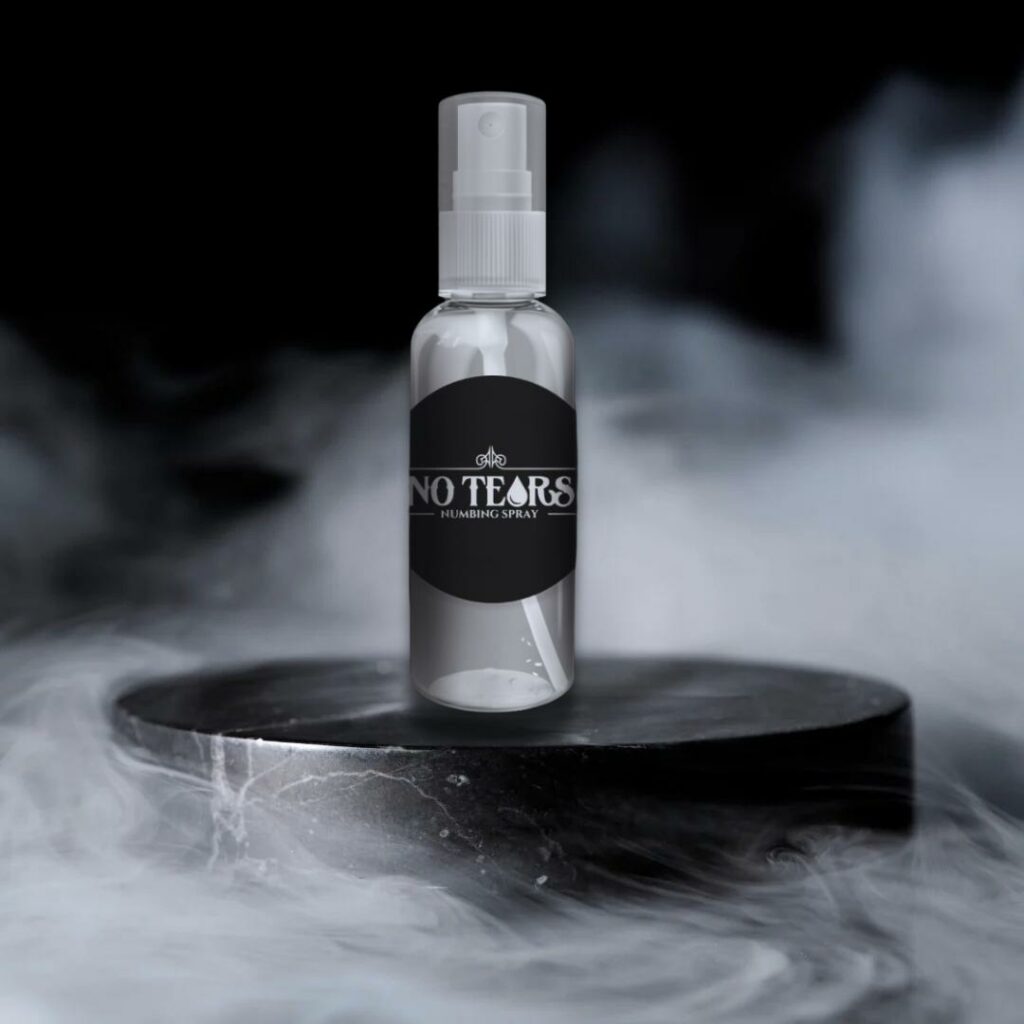
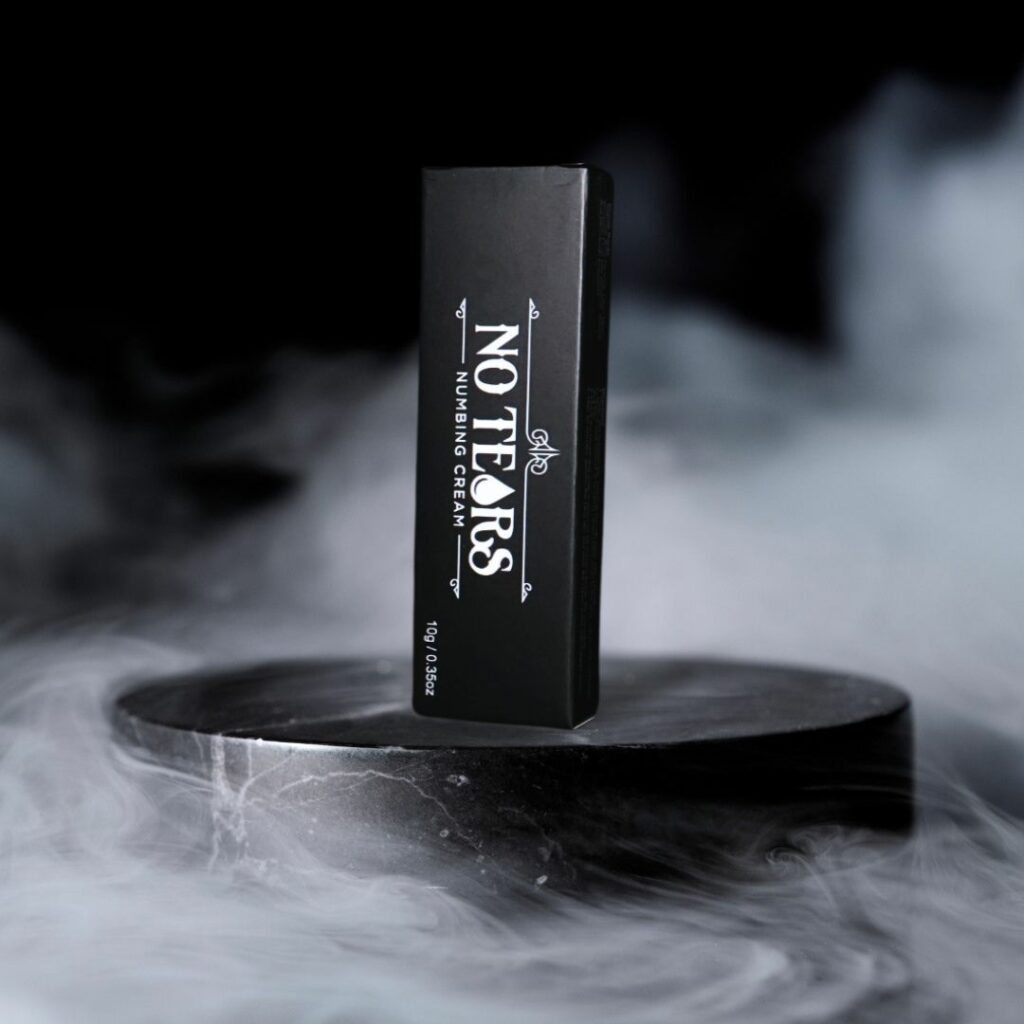
Some clients use a combination of cream before their appointment and spray during the session for continuous pain relief.
Proper preparation can make a big difference in how comfortable and successful your tattoo session will be. There are several things you should avoid before your appointment to prevent complications and unnecessary pain.
First, never skip meals before your tattoo. Going in hungry can lower your blood sugar, causing dizziness, weakness, or even fainting during the session. It’s important to eat a balanced meal to keep your energy up.
Also, avoid drinking alcohol or partying the night before your appointment. Alcohol thins your blood, which can lead to excessive bleeding and bruising during tattooing, and it can slow down your body’s ability to heal afterward.
Finally, do not show up tired or feeling sick. Fatigue and illness reduce your pain tolerance and make it harder for your body to heal after the tattoo. If you’re unwell, it’s best to reschedule.
To summarize, before your first tattoo, avoid:
Knowing what will happen during your tattoo session can help ease any anxiety you might have. When you arrive, your tattoo artist will first clean the skin and apply a stencil of your chosen design. This stencil ensures the tattoo is placed exactly where you want it and sized properly.
The first few minutes with the tattoo machine can feel sharp and intense. Most people find the sensation becomes more manageable after the initial adjustment period, often changing from sharp scratching to a duller tingling or burning feeling.
Good communication with your tattoo artist is essential throughout the session. If the pain becomes too much or you need a break, don’t hesitate to speak up. Most artists are happy to pause or adjust their technique to keep you comfortable.
Key things to expect during your session include:
After your tattoo session, it’s normal to experience some pain and discomfort as your skin begins to heal. This pain usually feels like a mild sunburn with sensations of warmth, tightness, and occasional itching.
Inflammation is your body’s natural response to the tiny punctures made during tattooing. This can cause redness and swelling. As the skin heals, you may also feel itchiness and tightness, but it’s important to resist scratching to avoid damaging your new tattoo or causing infection.
Using a soothing aftercare product can help reduce inflammation, moisturize your skin, and promote faster healing. While No Tears Numbing currently specializes in pain relief during tattooing, they are developing aftercare products that will help soothe your tattoo during recovery.
Here’s what to expect during the healing process:
To manage aftercare pain effectively:
Pain levels vary depending on your individual pain tolerance, the tattoo’s size, placement, and duration. Most people describe the sensation as a mix of scratching, burning, or tingling. Using numbing creams can help reduce discomfort significantly.
High-pain areas typically include ribs, spine, inner arms, hands, feet, and sternum. Less painful zones are the outer arms, calves, and thighs. Pain can vary widely based on skin thickness and nerve density.
Mental preparation includes understanding what to expect, practicing deep breathing, staying relaxed, and avoiding anxiety triggers. Being calm can help lower your perception of pain during the session.
Eat a good meal beforehand, stay hydrated, get enough sleep, avoid alcohol and caffeine, and wear comfortable clothing that gives easy access to the tattoo area.
Yes, professional-grade numbing creams designed for tattoos, such as those from No Tears Numbing, are safe when used as directed. Always consult your tattoo artist before applying any numbing product.
Typically, numbing creams are applied 45 to 60 minutes before the session starts to allow them to fully absorb and take effect.
Many artists allow the use of numbing sprays mid-session, especially for longer tattoos. Discuss this with your artist beforehand and use a recommended spray like the Mid Procedure Tattoo Spray from No Tears Numbing.
Avoid skipping meals, consuming alcohol or caffeine, using unapproved numbing products, and showing up tired or sick. These factors can increase pain, bleeding, or complicate healing.
Post-tattoo pain usually feels like a mild sunburn and can last several days. Redness, swelling, and itchiness are normal during healing but should gradually improve within 2 to 3 weeks.