
Hand tattoos have exploded in popularity over the past decade. From bold knuckle lettering to intricate finger art, tattoos on the hand are now seen on artists, athletes, professionals, and trendsetters alike. They’re a powerful way to express identity—always visible, always unique.
But while hand tattoos look incredible, many people pause at the same big question: How bad is hand tattoo pain? If you’ve been wondering whether it’s bearable or if you’re in for a brutal few hours, you’re not alone.
The truth is, tattooing the hand is often more painful than other areas of the body. This is because your hands have thin skin, little fat, and a lot of nerve endings, making them extremely sensitive to needles. But don’t worry, that doesn’t mean you have to suffer through the entire session.
In this guide, we’ll explore everything you need to know about hand tattoo pain—what to expect, how it compares to other body areas, and most importantly, how to numb the pain effectively using products that professionals trust. One of the most effective ways to minimize discomfort is by using a high-quality tattoo numbing cream, which can significantly reduce pain during your session and help you sit longer with less stress.
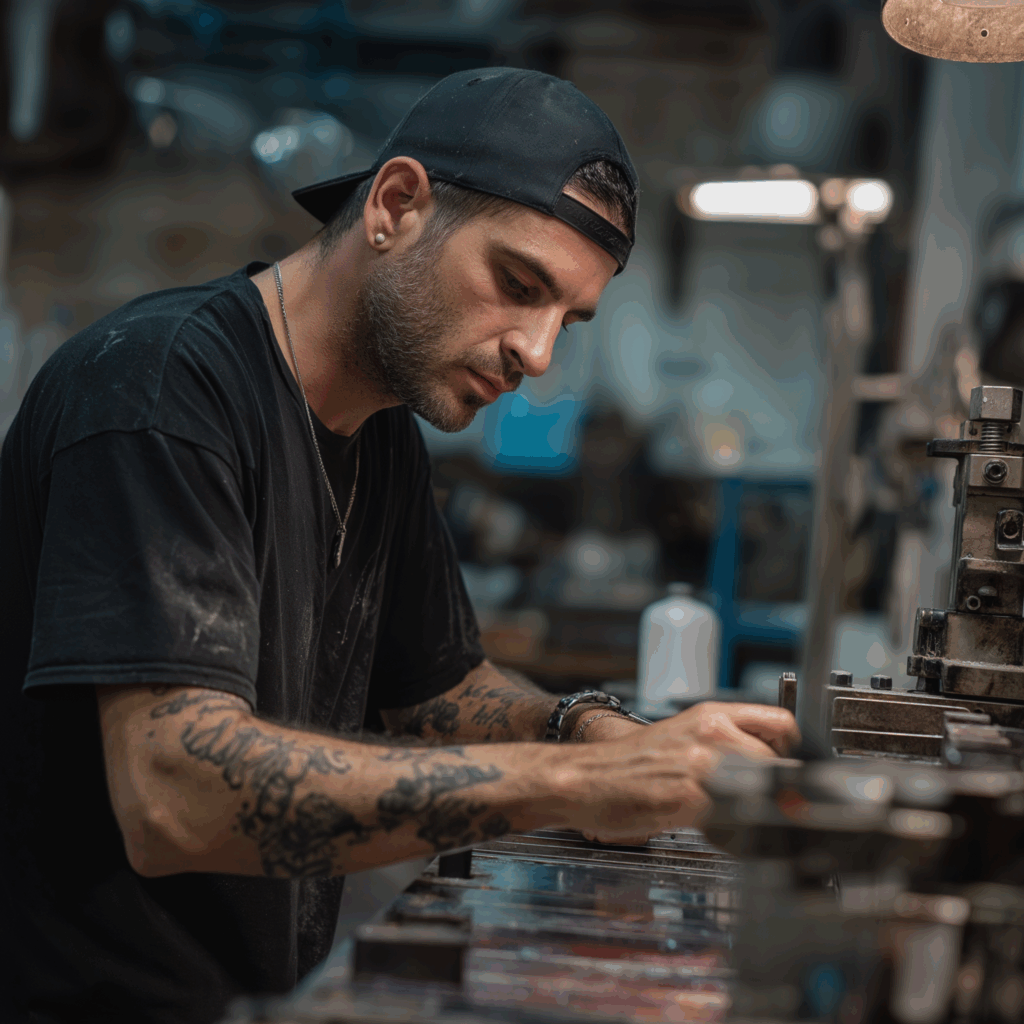
Getting a tattoo on your hand isn’t just painful—it’s one of the most intense tattoo experiences you can have. But what makes the hand such a high-pain zone compared to other areas like the thigh, back, or upper arm? The answer lies in your body’s anatomy.
Several key factors contribute to the high pain level of hand tattoos:
Your hands are always in use—from typing and texting to gripping and lifting. That constant motion makes the healing process more difficult and more painful. Even mild swelling can feel exaggerated in such a high-use area.
It’s not just the location—it’s also the style of tattoo that affects how painful the process feels. For example, black and grey tattoos, which often require smooth shading and layering over delicate areas like the knuckles or fingers, can take longer to complete, adding to the discomfort. Learn more about this style at Black and Grey Tattoo Guide, where you’ll find inspiration and insights into this highly detailed art form.
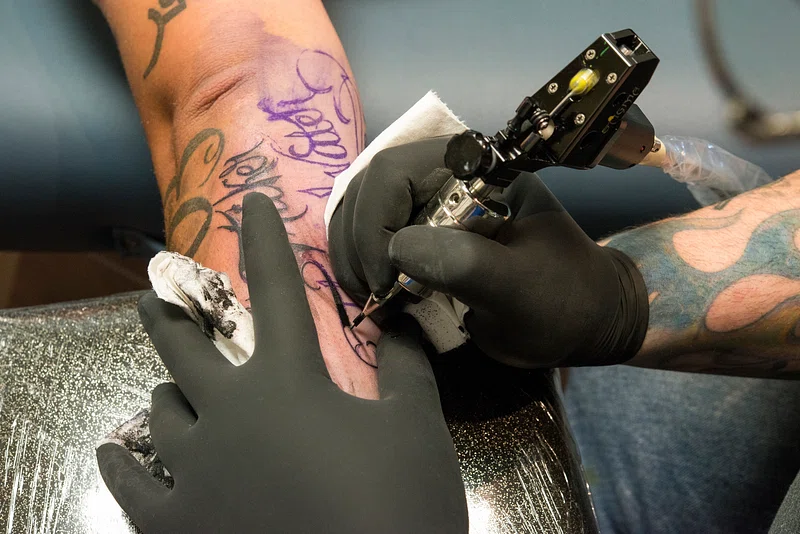
Hand tattoo pain is no joke. While pain is subjective and varies from person to person, many tattoo clients agree: hand tattoos sit high on the pain scale. But what exactly does it feel like?
Most people describe hand tattoo pain as:
Some clients say it feels more raw than other tattoo sessions. Others report that they were fine for the first 30 minutes, but as swelling and fatigue set in, the pain intensified quickly.
“I’ve got tattoos on my ribs and forearm, but the fingers? Absolute killer. I felt every pass of the needle like it was echoing through my hand.”
— Jade, 29, London
On a scale of 1 to 10 (with 10 being the most painful), here’s how hand tattoos typically compare:
| Body Part | Average Pain Rating |
|---|---|
| Upper arm | 3–4 |
| Thigh | 4–5 |
| Chest | 6–7 |
| Ribs | 8–9 |
| Hands/Fingers | 8–10 |
As you can see, hand tattoos are consistently ranked among the most painful, especially on the fingers, knuckles, and sides of the hands. The palm, although less common for tattooing, is also excruciatingly painful due to the density of nerve endings.
The mind plays a big role in how pain is perceived. If you walk into your hand tattoo session expecting agony, you may tense up, which amplifies the pain. Anxiety, adrenaline spikes, and muscle tightness can all contribute to a worse experience.
On the other hand, preparing properly—mentally and physically—can help you manage pain better.
There’s no denying it — hand tattoos hurt. But thanks to modern tattoo numbing solutions, enduring intense pain is no longer a rite of passage. Whether you’re new to tattoos or a seasoned collector, using the right numbing products can turn a painful process into a tolerable (even comfortable) experience.
At NoTearsNumbing. They offer a professional range of tattoo numbing creams and sprays that help reduce pain before and during your session, without interfering with your artist’s work or compromising ink quality.

No Tears Numbing Cream is your go-to for pre-session comfort, especially when you’re getting tattooed on sensitive areas like the hands, fingers, or knuckles.
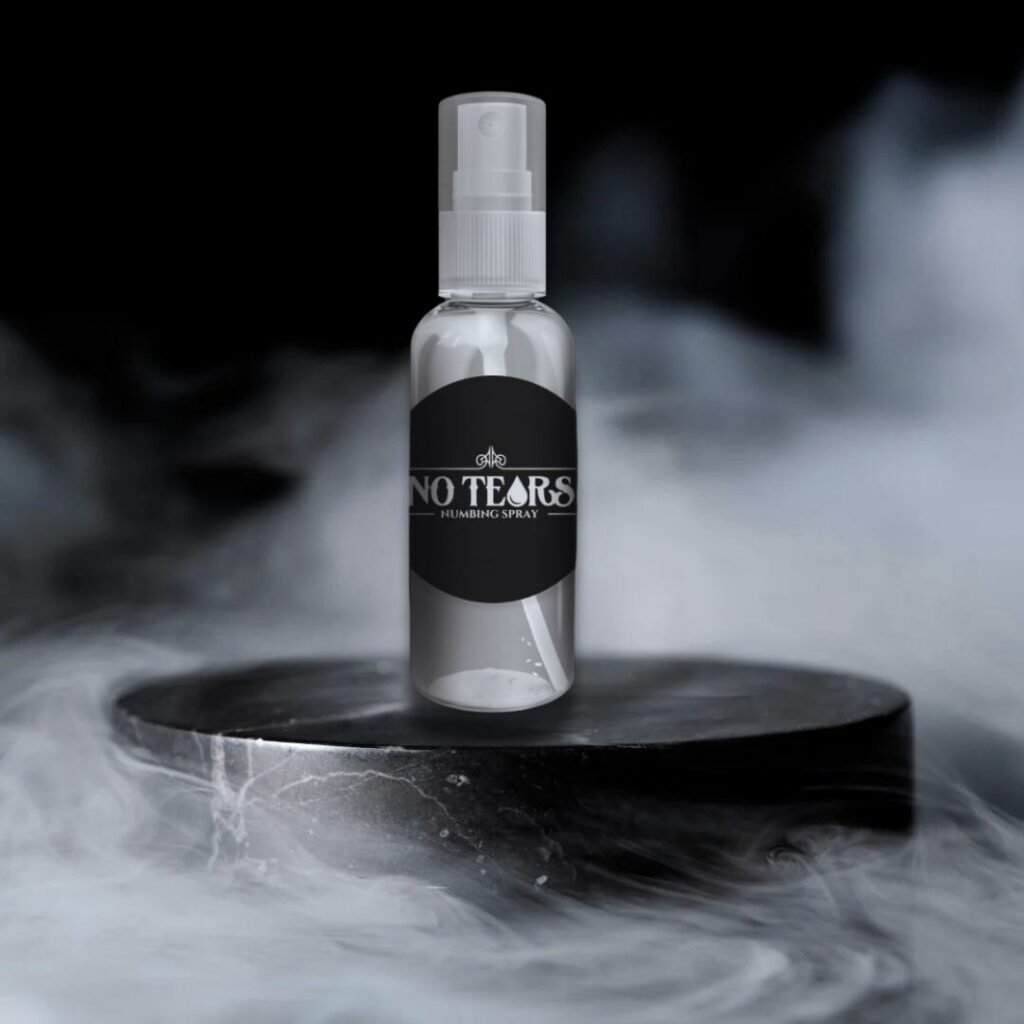
No Tears Mid-Procedure Tattoo Spray is specifically designed for use during breaks, making it a must-have for long or painful tattoo sessions, especially on areas like the palm or fingers.
Simply spray a light amount on the tattooed area, wait 3–5 minutes, and you’re back in business, with less pain and more endurance.

For the ultimate tattoo pain management, we recommend the No Tears Numbing Cream + Mid Procedure Tattoo Spray Duo — a perfectly matched combo for before and during your tattoo session.
This combo has been trusted by clients, tattoo artists, and studios across the UK and beyond — because it works exactly when and where you need it most.
Explore the full kit now at NoTearsNumbing and enjoy a smoother, stress-free tattoo experience.
Hand tattoos are beautiful—but brutal. By preparing properly with No Tears Numbing Cream, keeping Mid Procedure Spray on hand, and using both as a combined system, you can drastically reduce pain and discomfort.
Pain doesn’t have to be part of the process.
Take control of your experience and stay focused on the art, not the agony.
While numbing creams and sprays can significantly reduce tattoo pain, how you prepare for your appointment can also play a major role in how well you handle discomfort. When it comes to a highly sensitive area like the hand, even small changes to your routine can make a noticeable difference. Here are key steps to take before your session to boost your pain tolerance, calm your nerves, and get the best tattoo results possible.
Eat before your appointment
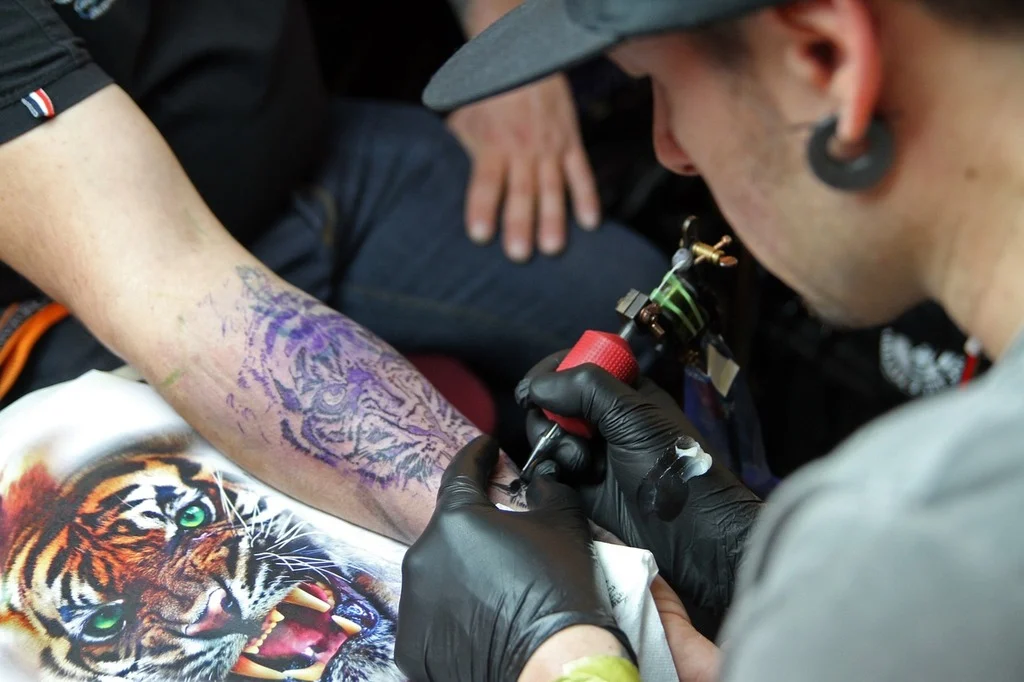
Hand tattoos don’t just hurt more during the session—they also require extra attention during the healing process. Because we use our hands constantly, healing can take longer, and the risk of irritation, scabbing, or fading is much higher than tattoos on less active areas of the body.
Unlike tattoos on the arm or back, your hands are in constant motion. They’re exposed to friction, water, bacteria, and sunlight daily. This makes the healing environment more vulnerable to complications like:
Even basic tasks like washing your hands or picking up objects can disturb the healing skin, which is why aftercare is critical for hand tattoos.
It’s normal for pain and sensitivity to flare up again during the first few days after your session. You may notice:
This is all part of the body’s natural healing response, but it can be minimized with proper care and the right products.
To promote healthy healing and protect your tattoo, follow these essential steps: