
Wrist tattoos are a favorite for many people because they’re stylish, highly visible, and versatile. But if you’ve ever wondered how bad wrist tattoo pain really is, you’re not alone. The wrist is a sensitive area — the skin is thin, and the bones, veins, and tendons are very close to the surface. This means the needle’s vibrations and pressure are felt more intensely than on fleshier parts of the body. Most people describe the pain as a sharp, tingling, or sometimes burning sensation, especially around bony spots or when shading is applied.
Even though wrist tattoos can be painful, many find the results completely worth it. They can carry deep personal meaning, showcase delicate designs, or simply make a trendy statement. Plus, they’re easy to hide with long sleeves or a watch if needed. For those curious about how wrist tattoos compare to other areas, you can check out this guide on chest tattoo pain levels to get a better perspective.
In this article, we’ll dive into the wrist tattoo pain scale, explore what affects pain, and share tips and strategies to minimize discomfort. By the end, you’ll know exactly what to expect and how to prepare for a more comfortable tattoo session.
Pain levels can also vary depending on the exact location on the wrist. The inner wrist, where the skin is softer and closer to veins and tendons, tends to be more sensitive than the outer wrist. Larger designs, deeper needle penetration, and shading also increase discomfort. Personal pain tolerance plays a role, too — what feels intense to one person may be manageable for another.
To give a clearer picture, here’s a comparison of wrist tattoo pain versus other common tattoo locations:
| Tattoo Location | Skin & Cushioning | Pain Level | Notes |
|---|---|---|---|
| Inner Wrist | Very thin skin, minimal fat | High | Less intense than the inner wrist, but the bones are still close |
| Outer Wrist | Slightly thicker skin, some muscle | Moderate–High | Needle sensation is less sharp, ideal for beginners |
| Forearm | Thicker skin, more muscle and fat | Low–Moderate | Thicker skin, more muscle, and fat |
| Upper Arm / Shoulder | Thick skin, good muscle coverage | Low | Minimal bone contact; generally less painful |
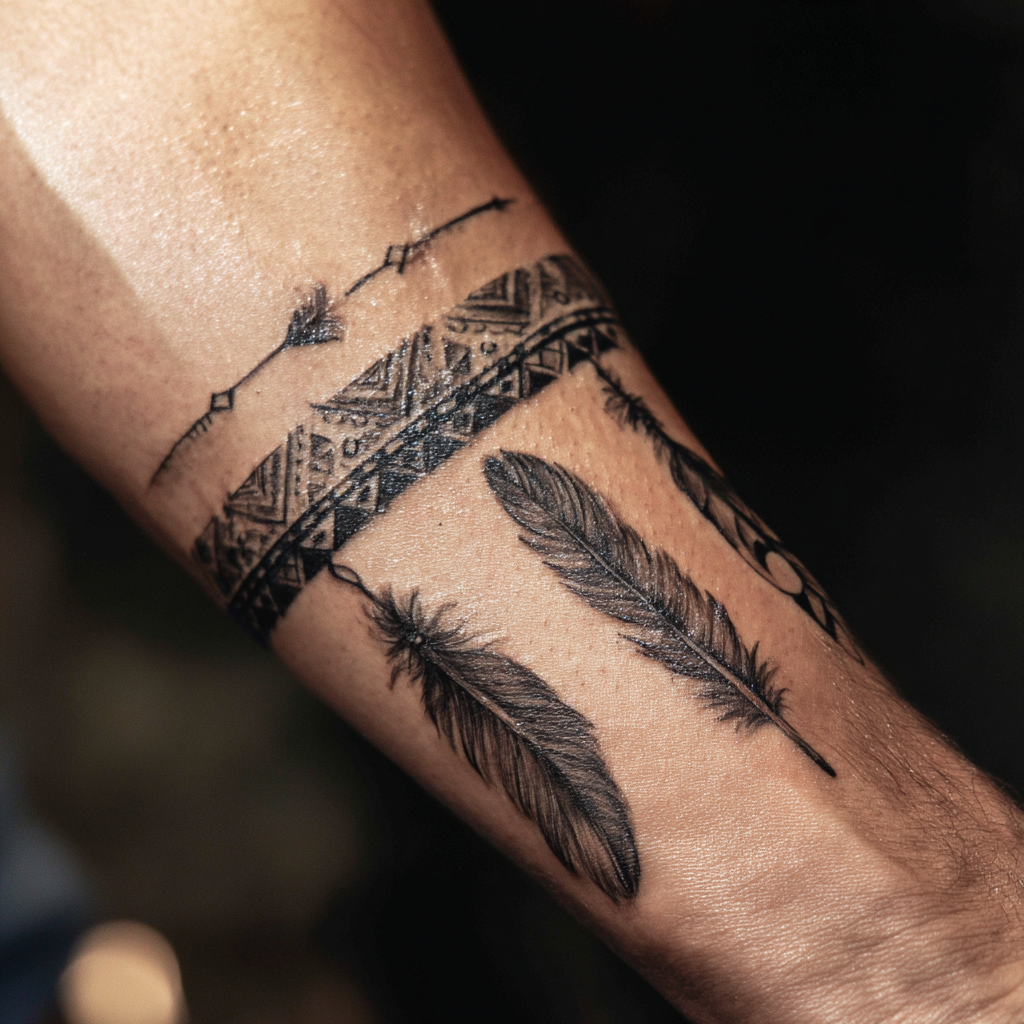
When considering a wrist tattoo, it helps to know what kind of pain to expect. Pain is subjective, meaning it can vary widely from person to person. Factors such as your pain tolerance, the exact location on the wrist, tattoo size, shading, and needle depth all play a role in how uncomfortable your session will feel. To help you gauge what to expect, wrist tattoos are often measured on a 1–10 pain scale, ranging from mild to high discomfort.
For small, simple designs, most people report a relatively manageable experience. These tattoos usually involve only outlines or minimal detail, and the sessions tend to be short. On the other hand, larger designs that require shading or multiple colors can increase discomfort significantly. Areas closer to the wrist bones or tendons are also more sensitive, amplifying the sensation of the needle.
Here’s a general wrist tattoo pain scale:

Not all wrist tattoos are created equal when it comes to pain. The type of design and its placement can greatly influence how much discomfort you experience during your session. Understanding the differences between outlines, shaded designs, and color-filled tattoos — as well as the specific wrist areas — will help you prepare for your session and manage expectations.
Outline tattoos are usually the least painful type for the wrist. Since they involve only single-line work without shading or heavy needle work, sessions are generally shorter. Most people report mild discomfort, typically a sharp, tingling sensation along the bony areas of the wrist.
Shading increases the complexity of the tattoo and often requires longer sessions. The needle penetrates the skin at different depths to create gradients, which can amplify sensitivity. Expect moderate pain, especially near tendons and bones, and some lingering soreness afterward.
Adding color involves multiple passes of the needle, which prolongs the session and can increase discomfort slightly compared to outlines or shading alone. Vibrant, full-color wrist tattoos may be more painful, particularly in areas with thin skin or near bone.
The wrist is not uniform in sensitivity. Pain levels can vary significantly depending on the exact location:
By choosing the type of tattoo and considering placement, you can better manage wrist tattoo pain. For example, if you’re concerned about discomfort, starting with a small outline on the outer wrist may be the best option. Conversely, if you’re prepared for a longer session and moderate pain, shaded or color-filled designs in more sensitive areas can create stunning results while still being manageable.
Getting a wrist tattoo can be a rewarding experience, but the area’s sensitivity means discomfort is almost guaranteed. The good news is that with proper preparation and some in-session strategies, you can significantly reduce pain and make your tattoo session much more enjoyable.
Before your appointment, taking care of your body can go a long way in minimizing wrist tattoo pain. Staying hydrated keeps your skin elastic, making the needle glide more smoothly. Eating a balanced meal beforehand ensures your body has energy to cope with discomfort. A good night’s rest also reduces stress and enhances your pain tolerance.
Even with preparation, wrist tattoos can still sting. Using in-session techniques and tools can help manage discomfort:
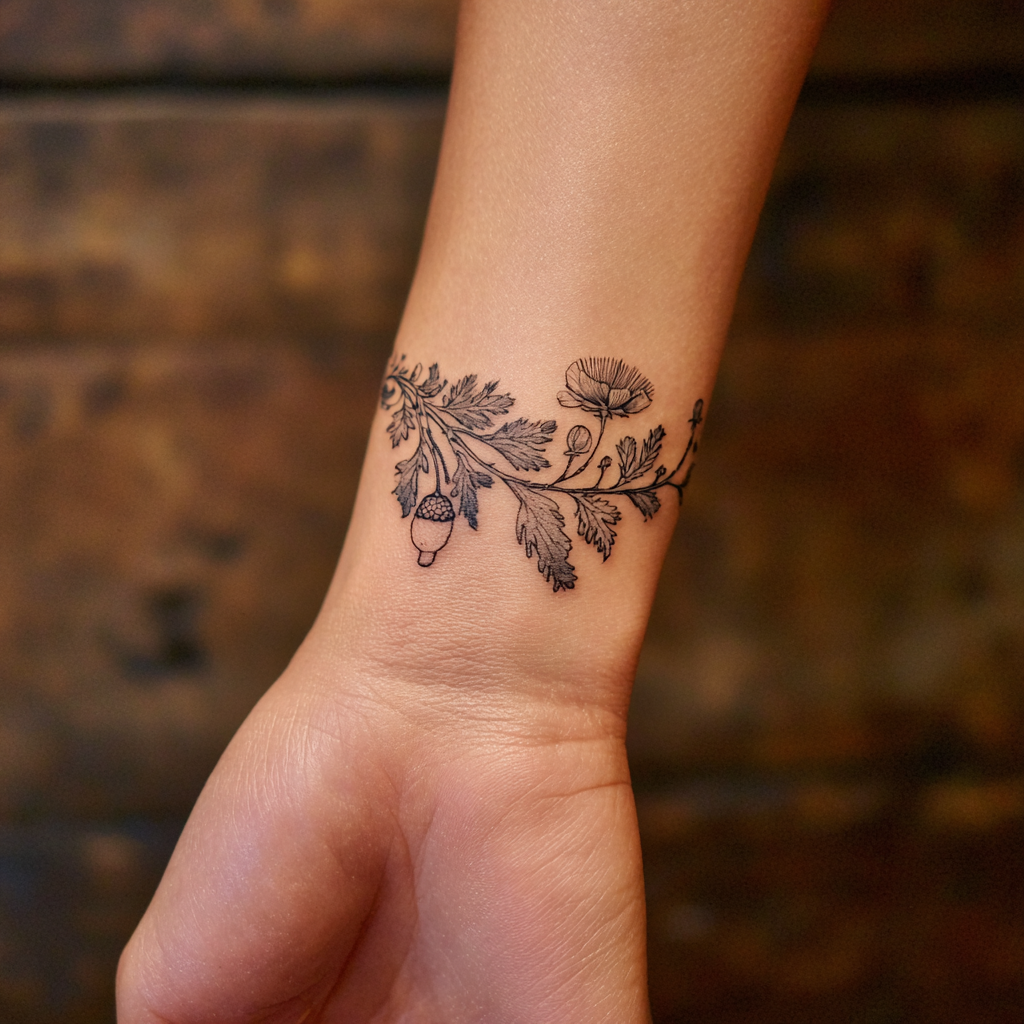
After your wrist tattoo is complete, it’s normal to experience soreness, tenderness, and mild swelling. The wrist is a sensitive area with thin skin and close-to-surface bones and tendons, so even after the needle is removed, the area may feel tender for a few days. Proper aftercare not only helps reduce discomfort but also ensures that your tattoo heals beautifully without complications.
Immediately after your session, taking care of your wrist can significantly reduce inflammation and pain. Cooling the area can help numb soreness, while keeping the skin moisturized prevents cracking and itching. Being mindful of friction from clothing or jewelry also reduces irritation during the healing process.
Key Aftercare Strategies: